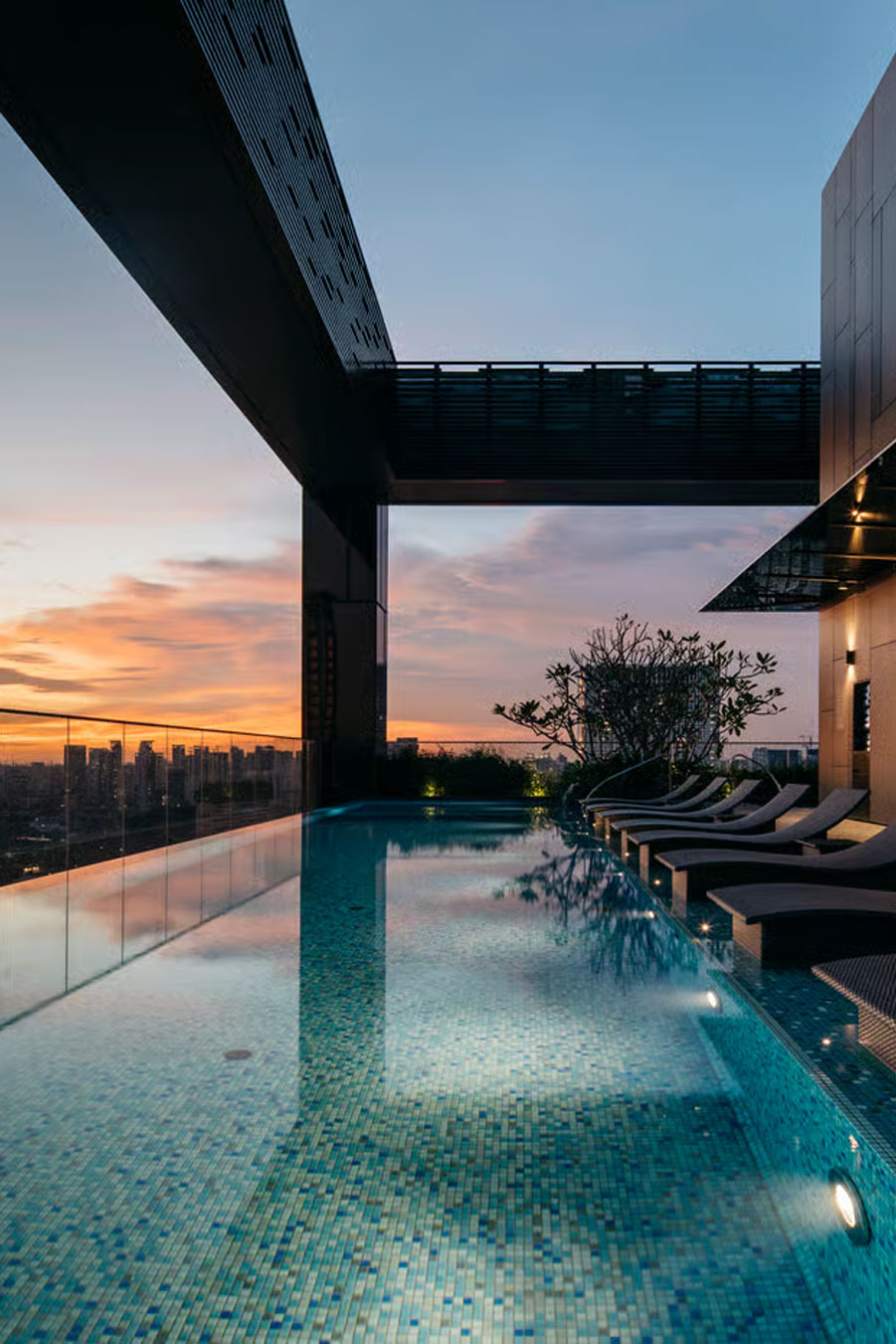
The Rise of Urban Calm in Singapore's Luxury Hotel Market
Luxury hospitality no longer relies on spectacle. Across Singapore and neighbouring Asian markets, the most respected properties are choosing calm over intensity. Restrained interiors. Gentle service. Spatial clarity that reduces friction rather than creating impression.
This is not minimalism. It is strategic positioning around what high-value travellers now prioritise after navigating dense, fast-paced cities. Room to breathe. Emotional ease. Design that supports rather than demands attention.
The shift has commercial implications. Properties that position around quiet luxury command premium rates without justifying excess. Those still competing on visual impact find themselves explaining complexity where simplicity would build trust faster.
For hotel owners, developers and operators entering Singapore's competitive market, understanding this movement is not aesthetic preference. It is positioning strategy.

Capella Singapore: Clarity as Competitive Advantage
Capella Singapore proves that calm can differentiate in crowded markets. Every element feels considered without feeling controlled. Arrival sequences guide gently. Circulation paths remain intuitive. Interiors use natural texture and soft lighting to create balance.
Nothing competes for attention. Nothing feels rushed.
The brand positioning centres on emotional ease rather than visual drama. This clarity extends through naming, messaging and service protocols. The result is immediate trust. Guests recognise the property knows its purpose.
Properties that articulate positioning this clearly reduce decision friction for both guests and operators evaluating brand fit. Capella's governance framework ensures this calm extends consistently across touchpoints, from digital platforms through to departure rituals.
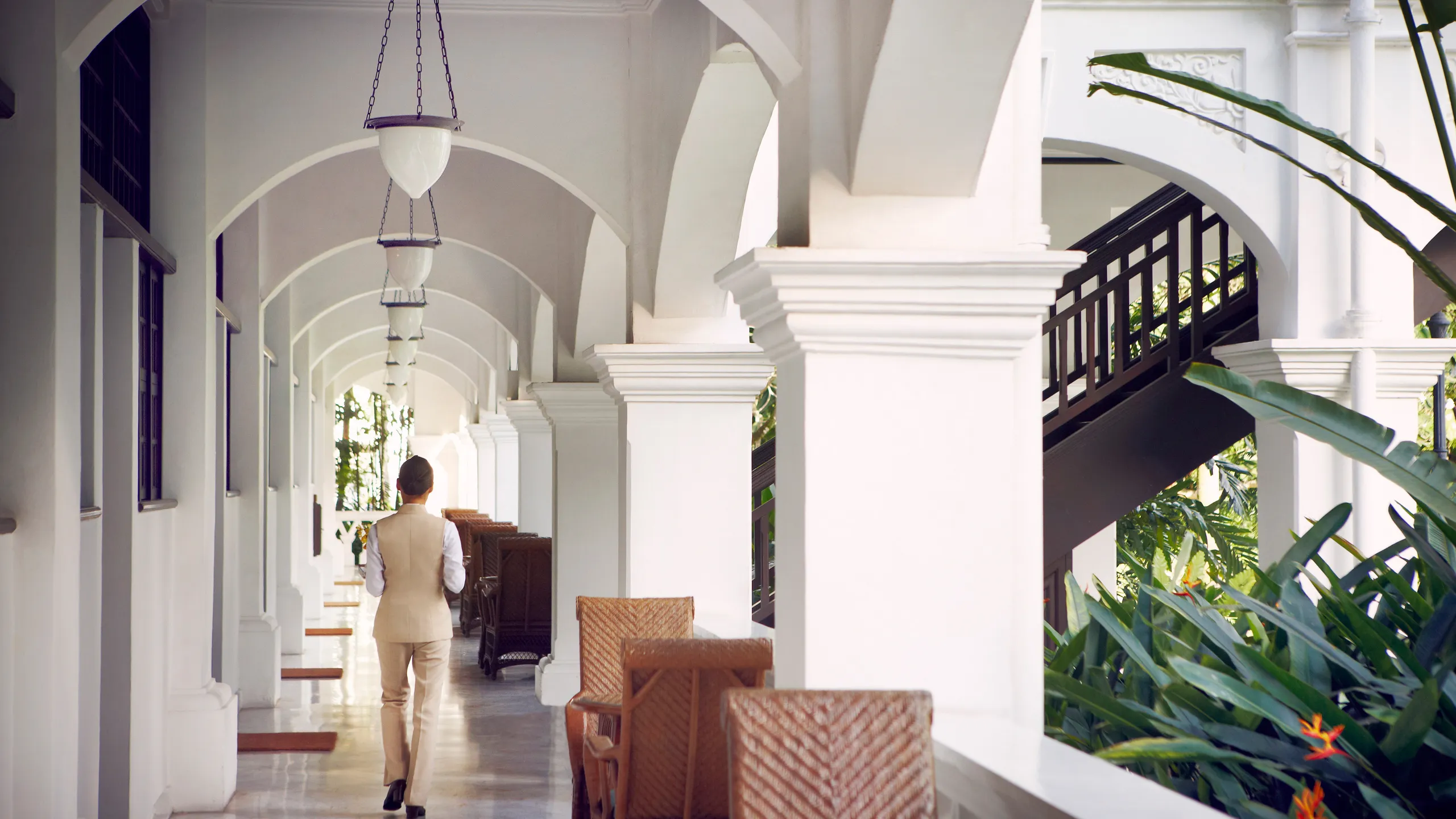
Raffles Singapore: Heritage Without Weight
Raffles Singapore demonstrates how legacy brands adapt to quiet luxury expectations. The property carries deep heritage but delivers it lightly. Service feels confident rather than formal. Spaces feel curated rather than staged.
This balance matters commercially. Heritage properties risk becoming museum experiences when they lean too heavily on history. Raffles positions around contemporary comfort while honouring legacy. The brand narrative explains provenance without dwelling on it.
The visual identity system reflects this balance. Typography remains classic but readable. Colour palettes draw from historical references without reproducing them literally. Guest communication uses warmth and clarity over formality.
See how we develop brand repositioning strategies that preserve heritage value while addressing contemporary luxury expectations and operator approval requirements.

The Clan Hotel: Cultural Storytelling Through Restraint
The Clan Hotel shows how newer properties adopt calm luxury principles without established heritage. The brand blends Peranakan cultural references with clean modern aesthetic. Rather than overwhelming guests with historical detail, it uses selective storytelling to create belonging.
This measured approach works. Guests appreciate cultural context without feeling they are consuming it. The brand positions around contemporary Asian luxury that acknowledges heritage without performing it.
The design strategy influences everything from spatial planning through to F&B concepts. Public areas encourage lingering without prescribing how. Guest rooms offer texture and warmth without visual complexity. Service delivery emphasises ease over ceremony.
This positioning attracts both domestic luxury travellers seeking cultural connection and international guests wanting authentic Asian hospitality experience. The brand serves multiple segments without compromising clarity.
Why Travellers Respond to Urban Calm
Guest psychology explains this shift. Travellers moving through Singapore, Hong Kong, Tokyo and Seoul navigate high-density environments with constant visual and social stimulation. Hotels become refuge.
Design that reduces cognitive load feels luxurious. Intuitive wayfinding. Balanced lighting. Controlled acoustic environments. Materials that communicate warmth without demanding interpretation.
This is not about emptiness. It is about removing what is unnecessary so guests can focus on rest, connection or work depending on their purpose.
Research from Cornell's School of Hotel Administration confirms correlation between spatial clarity and guest satisfaction scores. Properties that reduce decision friction score higher on comfort metrics. Those that prioritise aesthetic impact over functional clarity score lower on repeat visit intention.
Brands that understand this psychology can articulate value proposition clearly. "We create space for you to breathe" resonates more strongly with high-value segments than "We offer world-class luxury amenities."
Design Language Across Asia's Urban Markets
Singapore sits within broader Asian context where urban calm principles shape hospitality design across multiple markets. Tokyo luxury hotels lean toward wabi-sabi restraint. Seoul properties use confident minimalism. Bangkok hotels blend warmth with spatial clarity.
Each market interprets calm differently based on cultural context. But the underlying principle remains consistent. Guests value design that supports them emotionally rather than impressing them visually.
For hotel groups expanding across Asia, this creates brand governance challenge. How to maintain recognition while adapting design language to honour regional preferences. How to create identity systems flexible enough to express calm through different cultural lenses without losing coherence.
Our brand architecture frameworks address this challenge by defining which elements remain fixed (brand essence, positioning principles, core visual language) and which flex to cultural context (material selection, colour application, service rituals).
Brand Identity Systems for Quiet Luxury
The shift toward urban calm demands different approach to visual identity and brand expression. Typography choices favour clarity over decoration. Colour palettes use restraint. Photography shows space and light rather than filled interiors.
Messaging becomes more direct. Brand narratives focus on emotional benefit rather than feature lists. "Rest completely" communicates value more effectively than "Five-star amenities and world-class service."
This simplicity requires confidence. Properties must trust that guests understand luxury through cues other than excess. Natural materials. Thoughtful proportion. Service that anticipates without hovering.
Major hotel groups like Marriott, Hyatt and IHG increasingly favour brands with clear positioning and governance systems that translate across properties. Quiet luxury brands demonstrate this clarity through consistent expression that adapts to local context without losing recognition.
Commercial Value of Positioning Clarity
Properties that position around urban calm command several advantages. Premium rate protection becomes easier to defend because positioning is clear. Operator approval processes move faster because brand strategy is coherent. Investor confidence strengthens because the value proposition is articulable.
Conversely, properties that compete on visual spectacle must continuously justify investment. Grand lobbies require explanation. Complex F&B concepts need ongoing marketing. Elaborate service rituals demand extensive training.
Calm luxury scales more efficiently. The positioning is replicable. The design language is adaptable. The service principles are trainable.
Our work across Asia-Pacific luxury hotels includes properties where positioning clarity around emotional ease and spatial calm enabled faster operator approvals and stronger initial ADR compared to peers competing on visual complexity.
Our Perspective
Urban calm has moved from design trend to positioning strategy. Singapore's leading luxury hotels prove that restraint differentiates in competitive markets when it stems from clear brand purpose rather than aesthetic minimalism.
For properties entering Singapore or expanding across Asian urban markets, the strategic question is not whether to adopt calm luxury language. It is whether the brand can articulate why calm serves guest psychology, how it protects premium positioning and what governance systems ensure consistency.
The hotels winning in this landscape do not compete on spectacle. They compete on clarity. They understand that luxury travellers moving through intense urban environments value space to breathe more than spaces designed to impress. They build brand strategy around emotional ease rather than visual excess.
Properties that recognise this shift early position themselves for long-term value in markets where quiet confidence increasingly outperforms loud statements.
Want to explore how urban calm principles could strengthen your hotel's positioning strategy? Let's discuss your project.