How Thoughtful Design Builds Guest Trust in Asia’s Luxury Hotels
Guest expectations in Asia's luxury hospitality sector have shifted. Travellers arriving in Singapore, Tokyo, Seoul and Bangkok want more than visual impact. They want hotels that help them settle, think clearly and feel at ease.
Trust shapes booking decisions. Design earns it.
Today's guests judge a hotel from arrival. They look for balance, flow and clarity. These qualities shape first impressions long before staff interaction or room entry. Design that guides, reassures and supports the guest journey builds immediate confidence.
Singapore: Intuitive Clarity as Brand Language
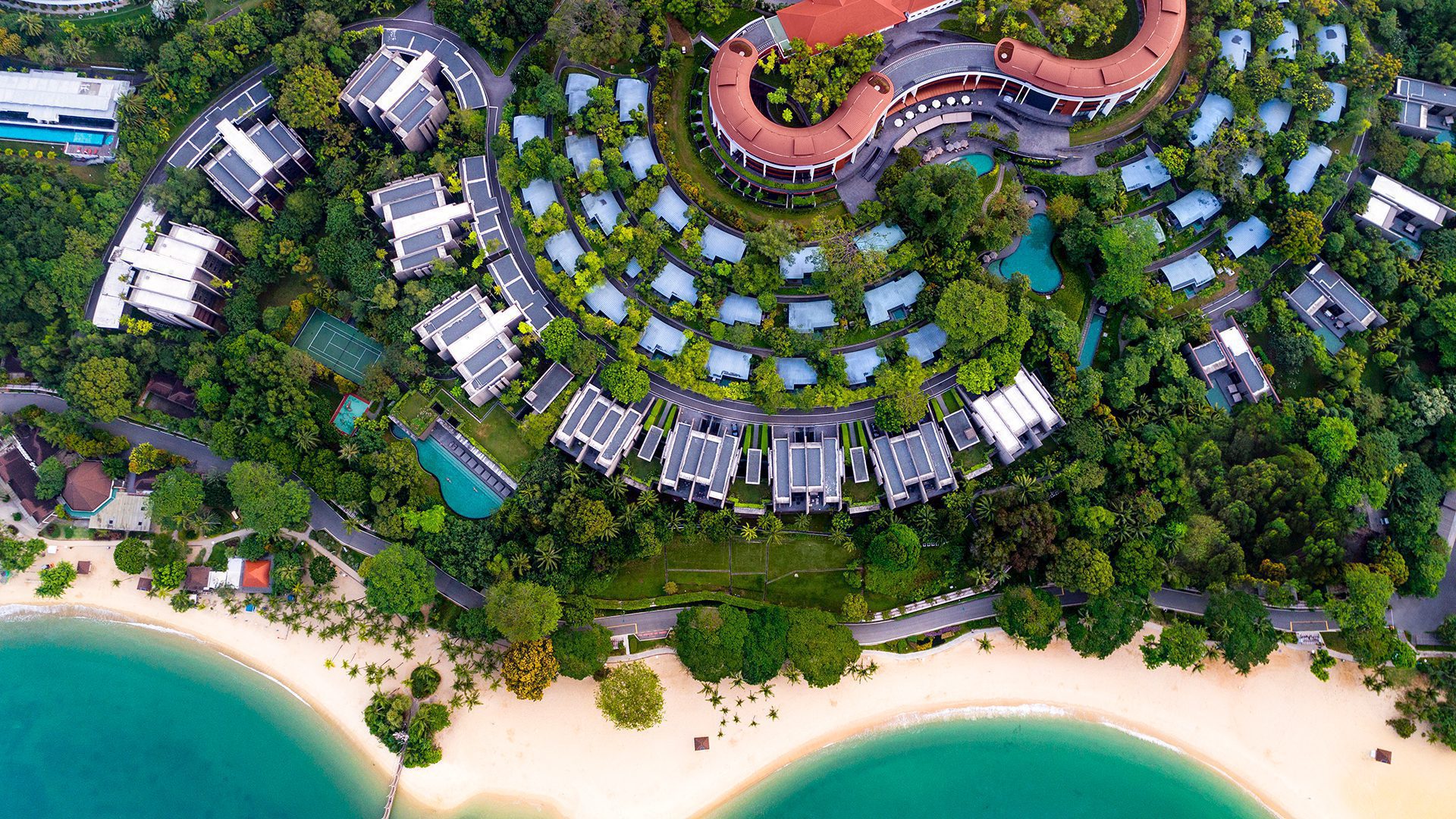
Singapore's luxury hotels have mastered spatial legibility. Properties across the city reduce decision fatigue through layouts that feel self-evident.
Capella Singapore arranges public areas with intuitive flow. Pathways are clear. Transitions between indoor and outdoor spaces feel seamless. Lighting defines mood without overwhelming the senses. Guests understand how to move through the property instinctively. Comfort follows comprehension.
This is not minimalism for its own sake. It is design that removes friction from the guest experience. When navigation becomes effortless, trust builds without conscious thought.
The approach reflects broader Asian hospitality design philosophy: spatial planning creates psychological ease. Reducing cognitive load allows guests to focus on experience rather than orientation.
Tokyo: Material Honesty and Purposeful Restraint
Tokyo's best hotels rely on proportion, natural materials and restraint. Rooms feel like quiet retreats from surrounding intensity.
Travellers trust spaces that feel honest. The design is not trying to impress. It is trying to support the guest.
This philosophy extends beyond aesthetics into brand integrity. When materials age gracefully, when joinery reveals craftsmanship, when spatial proportions reflect human scale—the hotel communicates respect for the guest's intelligence. No artifice. No pretence.
Japanese design traditions inform this approach. Wabi-sabi principles—acceptance of imperfection, appreciation of natural evolution—translate into hospitality environments where authenticity becomes luxury's highest expression.
Our work in Japan hotel branding addresses how Western luxury expectations meet Japanese spatial and material traditions without compromise on either side.
Seoul: Confident Architecture with Organised Interiors
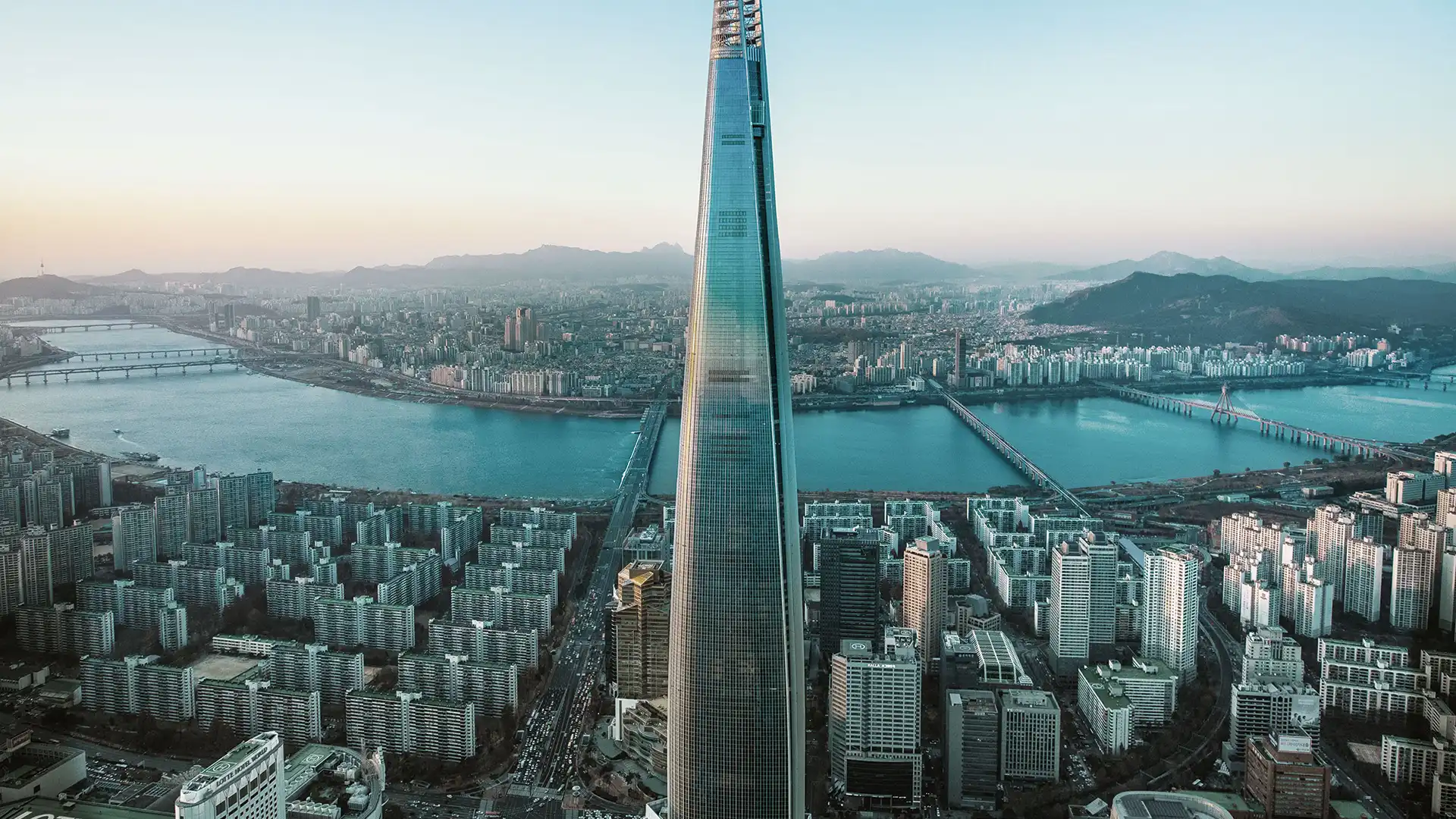
Seoul's modern hotels combine dramatic architecture with precise interior planning. Even when structures are bold, interiors remain organised, clean and navigable.
Clarity grounds the experience.
This duality serves Korean luxury travellers who expect visual sophistication without sacrificing functional efficiency. The lobby can be a statement. The room must be a sanctuary. Both require different design languages working in harmony.
Brand coherence across these contrasts demands governance. Visual standards that flex across contexts while maintaining recognisable identity. Service protocols that honour cultural preferences without becoming generic.
Internal link: See how we build brand governance frameworks that ensure consistency across diverse property types and guest touchpoints.
Bangkok: Warmth and Social Connection as Trust Signals
Bangkok's lifestyle hotels use warmth, texture and social connection to build trust. Guests respond to environments that feel inviting without losing refinement.
Spaces that encourage interaction yet still offer privacy create belonging.
This is culturally specific design strategy. Thai hospitality emphasises emotional warmth and personal connection. The physical environment must support this cultural expectation while meeting international luxury standards.
Kimpton Maa-Lai Bangkok exemplifies this balance. Public spaces invite lingering. F&B concepts blur boundaries between hotel and neighbourhood. Yet guest rooms maintain sanctuary qualities. The brand understands that trust comes from meeting different needs across different moments.
Consistency Across Guest Touchpoints
The shared theme across Singapore, Tokyo, Seoul and Bangkok: consistency.
Guests want design that stays coherent from lobby to room. They want tone of voice that matches the physical environment. When visual identity, digital experience and spatial design reflect the same values, guests feel the brand understands their needs.
This level of thoughtfulness affects more than aesthetics. It influences how guests sleep, how they move, where they spend time and how they remember the stay.
Trust becomes the natural outcome of intentional design.
Research from Cornell's School of Hotel Administration confirms that design consistency correlates with higher guest satisfaction scores and increased likelihood of return visits. The data validates what intuition suggests: coherence creates confidence.
Our visual identity systems extend across all guest touchpoints to ensure the brand promise translates consistently from digital to spatial to service delivery.
Design as Strategic Investment, Not Aesthetic Layer
For hotel developers and operators across Asia, the message is clear. Design is no longer decorative. It is foundational.
It shapes how guests feel. How they navigate the property. How they judge the brand.
Properties launching in competitive markets like Singapore, Tokyo and Seoul cannot rely on location or service alone. The physical environment must communicate brand values before a single conversation happens.
This demands investment in spatial strategy, not just interior decoration. It requires architects, brand strategists and operators working in alignment from concept through to operations.
Our portfolio across Asia-Pacific markets includes properties where design strategy informed everything from site selection through to staff training, ensuring brand coherence across all dimensions of guest experience.
Our Perspective
Design that builds trust does not announce itself. It reveals itself through clarity, honesty and consistency.
Asia's most successful luxury hotels understand this. They compete not through visual excess but through environments that reduce friction, honour cultural context and support the guest journey without compromise.
When design earns trust, loyalty follows. Not as marketing outcome. As natural consequence of thoughtful intention.
Explore design-led hotel branding: Connect with our team to discuss how spatial strategy, visual identity and guest experience design work together to build trust across Asia's luxury hospitality markets.