The Rise of Urban Calm in Singapore’s Luxury Market
How Singapore’s quiet luxury movement is shaping regional hospitality
Across Asia’s leading hospitality hubs, a quiet shift is taking place. Luxury no longer relies on spectacle. Instead, hotels in Singapore and neighbouring markets are choosing a calmer approach, built on clarity, intention, and emotional ease. This new expression of luxury is subtle, but its impact is profound. Travellers are responding to spaces that help them relax without distraction and service that feels effortless.
Singapore is at the centre of this movement. The city’s most respected hotels have begun to refine their approach, focusing less on visual intensity and more on crafted experiences that give guests room to breathe.
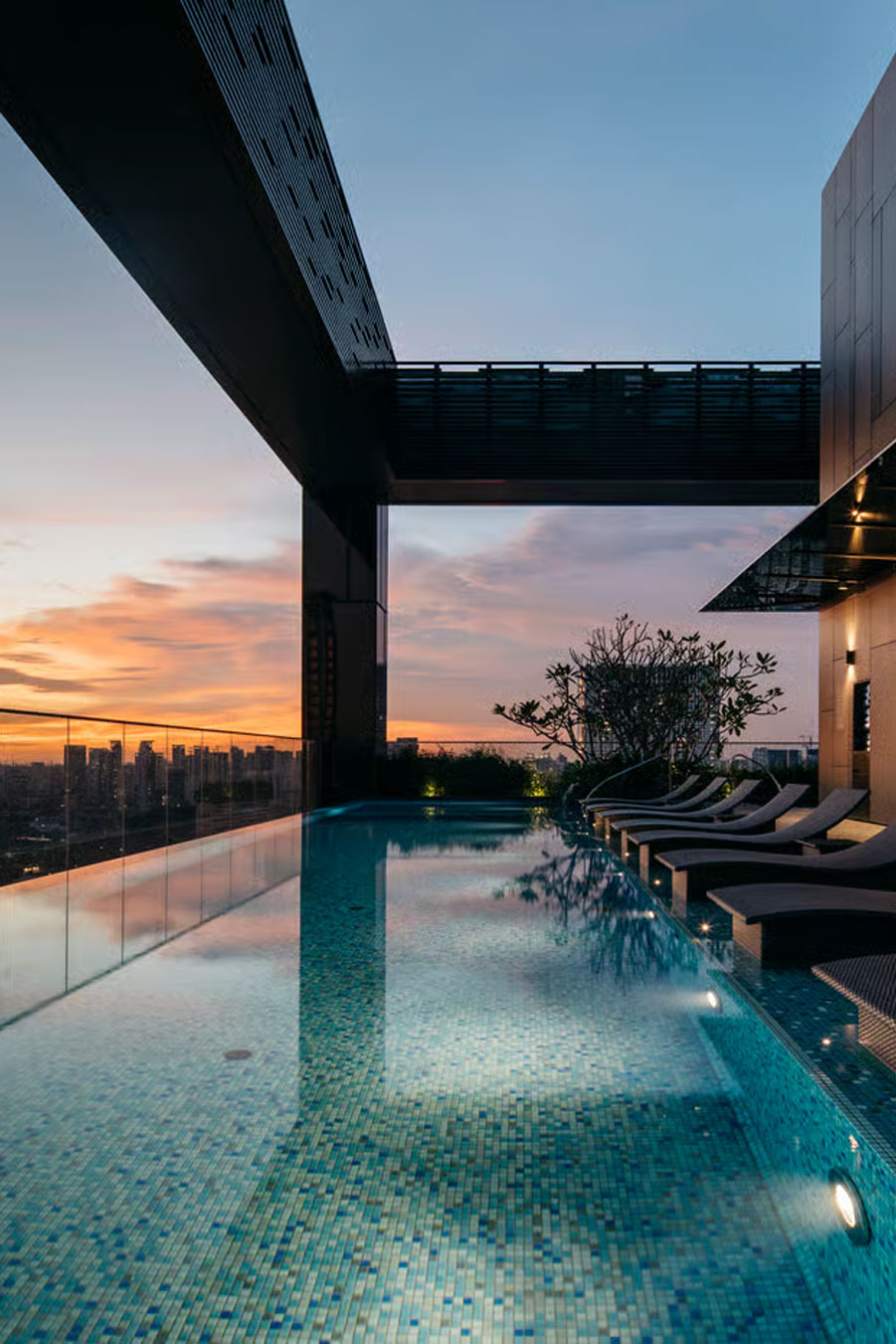
Capella Singapore is a strong example. Every part of the property feels considered. Arrival is gentle. Circulation paths are clear. Interiors use natural textures and controlled lighting to create an atmosphere of balance. Nothing is rushed, and nothing competes for attention. The effect is immediate calm, something travellers now prioritise after long international journeys.
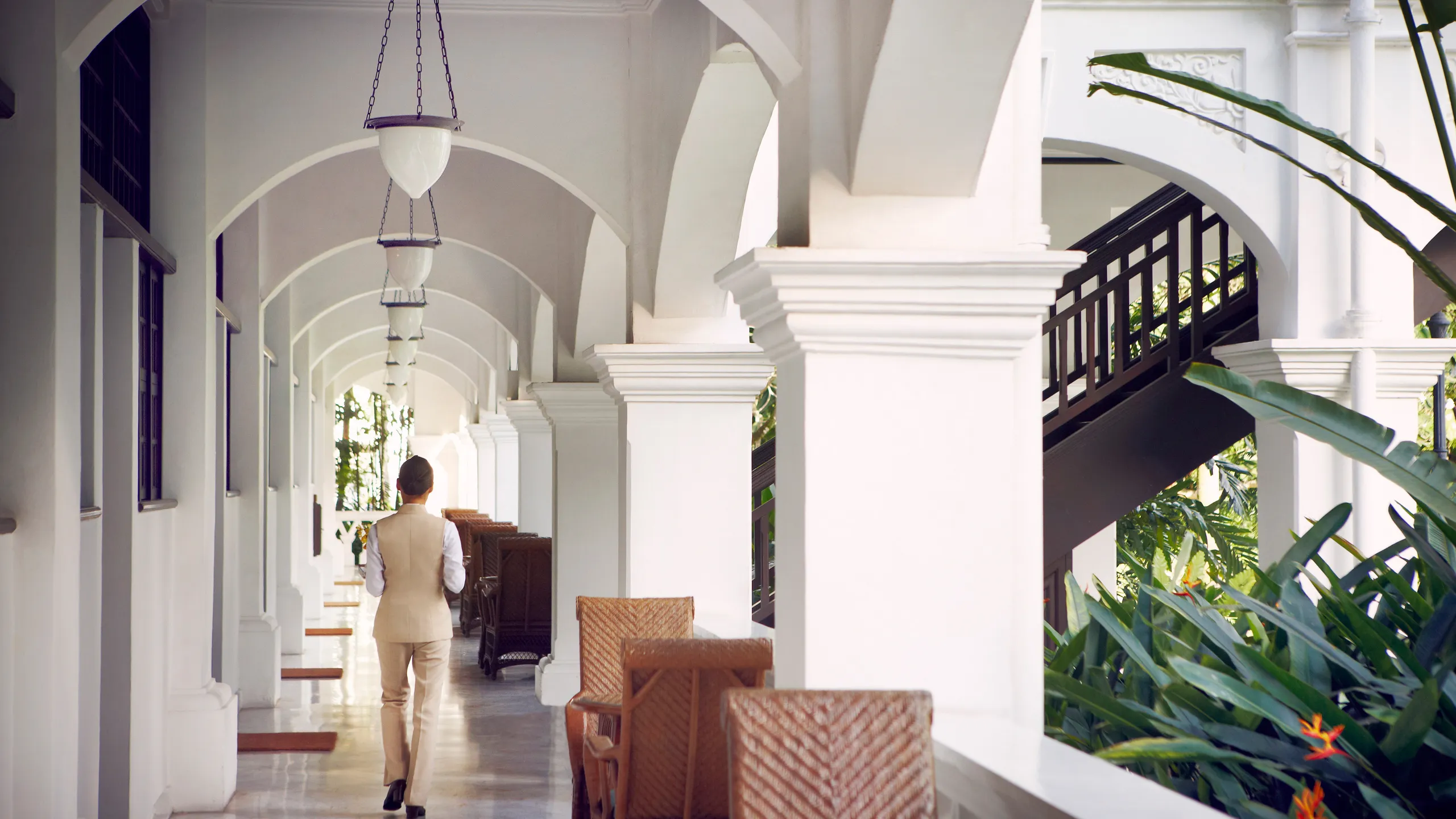
Raffles Singapore continues to be a masterclass in this direction. While the property carries deep heritage, the guest experience remains surprisingly light. Rituals are delivered with confidence rather than formality. The hotel feels curated rather than staged. This balance between heritage and comfort is becoming a preferred model for legacy brands across the region.
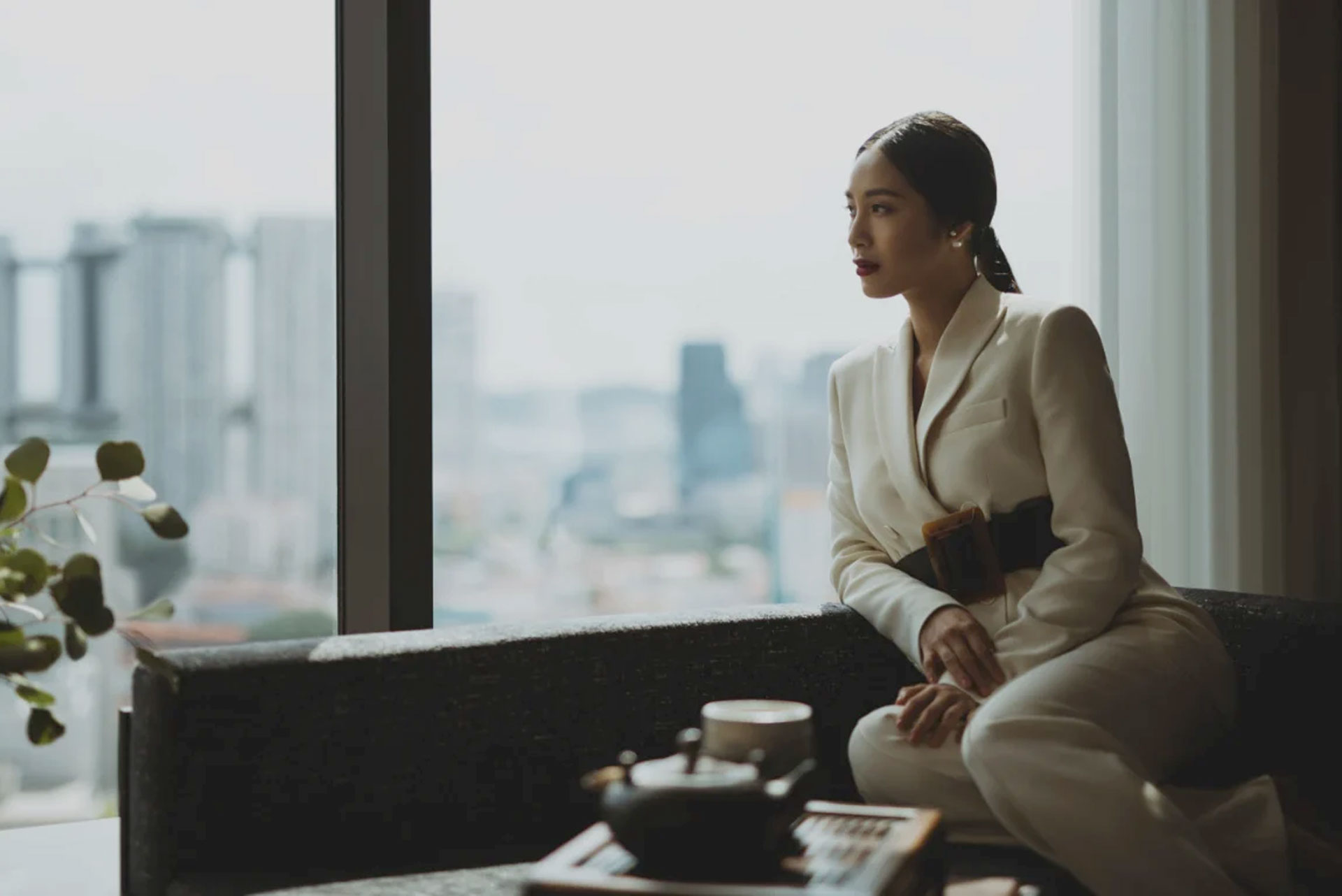
Younger hotels are adopting a similar mindset. The Clan Hotel blends cultural storytelling with a clean, modern aesthetic. Rather than overwhelming guests with historical references, it uses selective cues to create a feeling of belonging. This measured use of narrative is becoming a valuable tool for brands seeking relevance without excess.
This shift toward calm luxury reflects broader traveller behaviour. Guests moving through Asia’s high density cities want breathing space. They want design that supports them emotionally, not just visually. They want service that feels warm, not performative. Simplicity, when done well, signals confidence.
Many design studios working in the region have also begun to refine their own philosophies. Instead of relying on heavy thematic interiors, they use balance, honest materials, and controlled palettes. This is visible across new openings in Singapore, Hong Kong, and Seoul, where calm communal areas and intuitive spatial planning are becoming preferred strategies.
The rise of urban calm is also linked to a growing demand for clarity in brand identity. Guests want to understand what a hotel stands for. They want straightforward communication, a steady tone of voice, and a visual identity that avoids noise. In a competitive market, calm becomes a form of distinction.
Hotels planning new developments across Asia can take valuable cues from this movement. The guest journey should feel coherent across every touchpoint. Wayfinding should guide quietly. Interiors should support rest. Digital experiences should mirror the same clarity and warmth found on property. When all of these elements work together, guests build trust faster and connect with the brand on a deeper level.
Urban calm is not minimalism. It is clarity of intention. It is the removal of what is unnecessary. It is the confidence to do less, but do it well. For travellers moving through some of the world’s most active cities, it is becoming the luxury they value most.
Image Credits: The Clan Hotel Singapore, Raffles Singapore