Brand Strategy for Asia's Urban Hotel Evolution
Asia's urban hospitality scene is entering a new phase. Singapore, Tokyo, Seoul and Bangkok set global standards for hotel design and guest experience. Yet the definition of luxury within these cities is changing.
Travellers no longer respond to scale alone. They want clarity. Purpose. Environments that support the pace of modern life rather than adding to its complexity.
This shift demands brand strategy that translates spatial intelligence into competitive advantage. Hotels that still position around grandeur compete differently than those built around rhythm and ease.
Singapore: Clarity as Competitive Edge
Singapore's new hotel generation reflects refined understanding of how guests move through urban spaces. Properties are designed around ease. Public areas follow logical flow. Transitions between functions feel seamless. Communal spaces encourage calm interaction.
This is luxury shaped by rhythm, not excess.
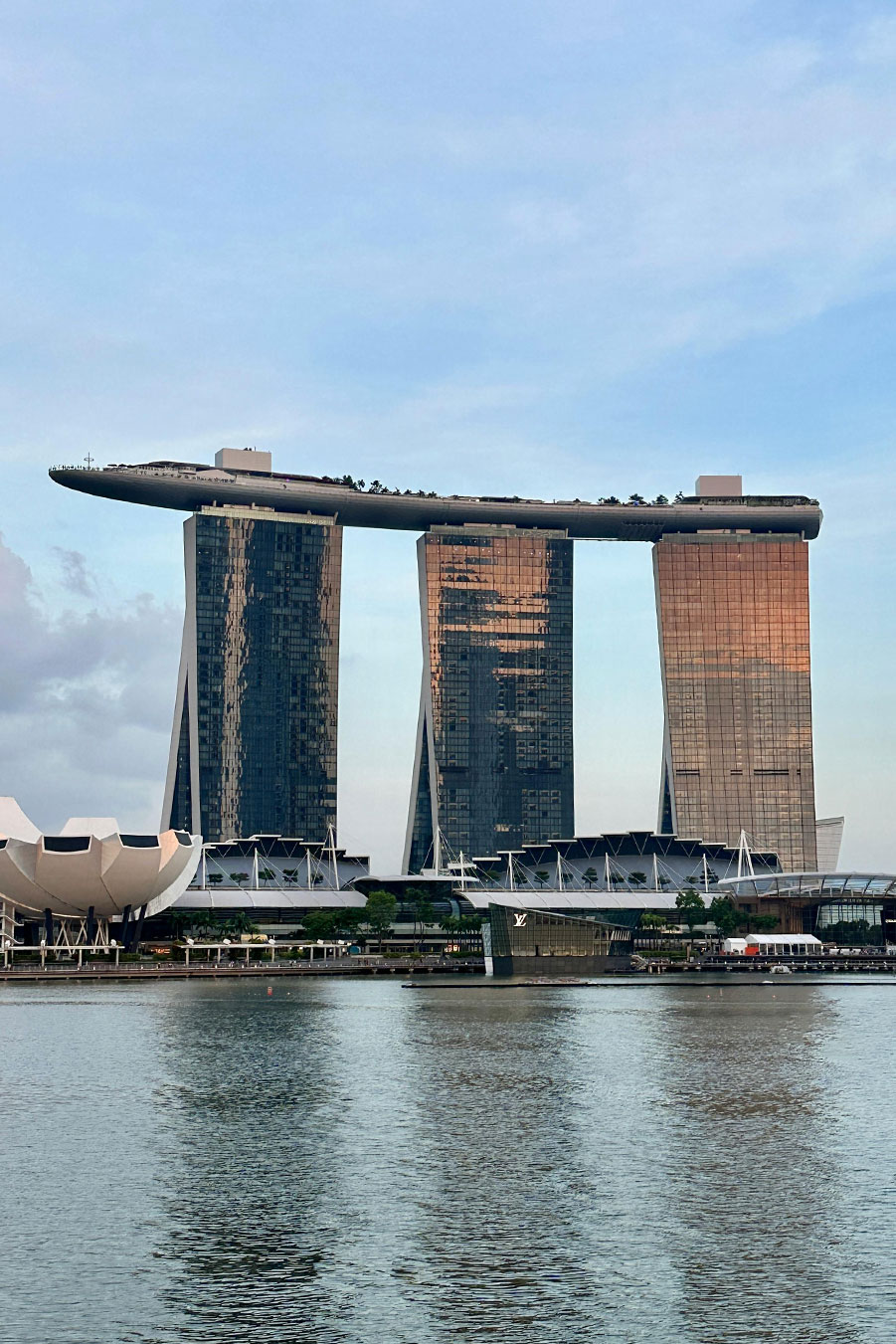
Marina Bay Sands demonstrates how large-scale properties can maintain clarity. Circulation patterns remain straightforward despite architectural ambition. The guest journey feels direct. No cognitive load.
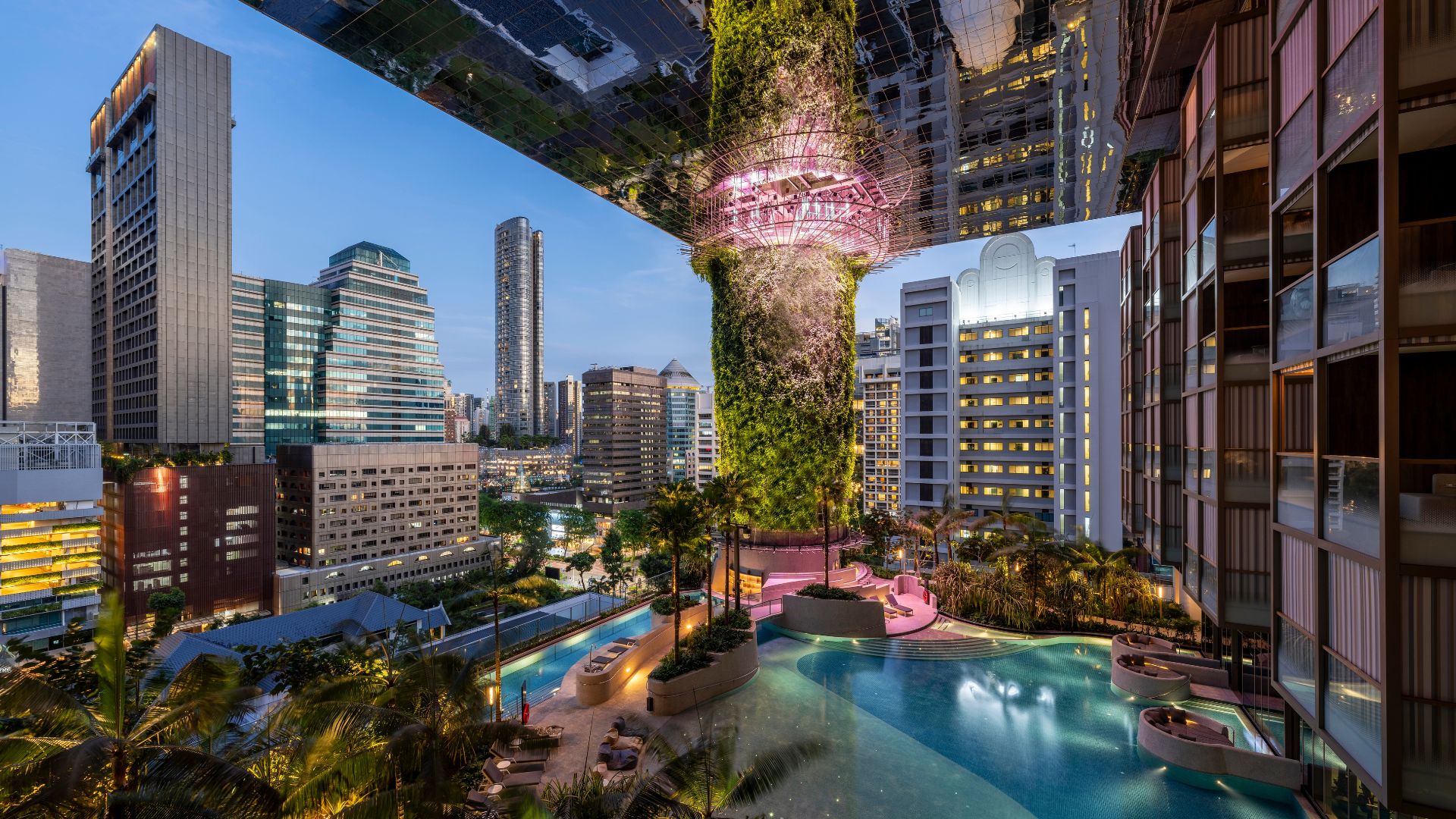
Pan Pacific Orchard introduces softer expression. Greenery and open terraces buffer city intensity. The design creates psychological distance from urban pressure without physical removal.
Both models appeal to different traveller profiles. Both share commitment to friction reduction.
Effective Singapore urban hotel branding positions around how the property improves guest experience through spatial planning, not just through service delivery or amenity provision.
Tokyo: Quiet Discipline and Material Honesty
Tokyo's luxury hotels use balance, structure and proportion to create calm. Travellers stepping into these spaces after navigating crowded neighbourhoods appreciate the pace shift.
The design does not announce itself. It supports the guest through stillness.
This approach reflects broader Japanese hospitality philosophy: the environment should reduce stress, not demand attention. Material honesty matters. Natural textures age gracefully. Proportions reflect human scale. Nothing competes with the guest for focus.
The brand strategy aligns completely with spatial strategy. Identity systems use restraint. Messaging emphasises support over impression. Service protocols honour quiet competence.
Our work in Japan hotel branding addresses how to position properties where Western luxury expectations meet Japanese design principles without compromise on cultural authenticity or international service standards.
Seoul: Confident Architecture with Organised Experience
Seoul's luxury scene adds distinct character. Properties like Signiel Seoul reflect an urban environment built on confidence and identity.
Height. Skyline views. Clean interior palettes. Guests experience arrival, not just check-in.
Yet even with dramatic architecture, the guest experience anchors in clarity. Layouts remain purposeful. Service flows feel natural. Technology integration enhances rather than complicates.
This duality serves Korean luxury travellers who expect visual sophistication without sacrificing functional efficiency. The lobby can make a statement. The room must be a sanctuary. Both require different design languages working in harmony.
Brand coherence across these contrasts demands governance. Visual standards that flex by context while maintaining recognition. Service protocols that honour cultural preferences without becoming generic.
See how we build brand governance frameworks that ensure consistency across diverse property types and guest touchpoints.
Bangkok: Social Connection as Luxury Signal
Bangkok's lifestyle hotels bring social interpretation to urban luxury. The Standard and newer properties attract travellers who want energy and openness.
Bars, lounges and shared spaces feel welcoming without losing sophistication. In these environments, luxury is about comfort and belonging, not isolation and exclusivity.
This positioning serves specific guest segments. Digital nomads seeking community. Regional business travellers wanting after-work connection. International tourists using the hotel as social base.
The brand must communicate this clearly from first touchpoint. Photography shows interaction, not empty spaces. Messaging emphasises atmosphere and energy. F&B concepts blur hotel-neighbourhood boundaries.
Properties that position for privacy and retreat compete in different category. Bangkok's market has room for both. But the brand strategy must commit to one or risk confusing both segments.
Traveller Psychology Shapes Design Priorities
Across Asia, a wider trend emerges. Travellers judge hotels not by what they offer but by how well everything works together.
Research from hospitality design firms confirms that friction points accumulate faster than amenities compensate. A confusing lobby layout creates more negative impact than a rooftop bar creates positive perception.
Clear spatial planning. Intuitive digital touchpoints. Lighting control that adapts to guest preference. Thoughtful room zoning. These factors influence satisfaction as much as architectural ambition.
The brand implications are significant. Properties cannot position around facility lists. They must position around guest experience coherence. Marketing cannot promise luxury if operations deliver complexity.
Our visual identity systems and guest experience frameworks ensure brand promise aligns with operational delivery across digital, spatial and service dimensions.
Developer and Operator Implications
For developers entering Asia's urban markets, the message is consistent. The modern urban traveller wants coherence.
They want hotels that support daily rhythm. Help them slow down when needed. Make the city feel more manageable.
Luxury, in this context, is about reducing stress. Offering confidence through design and service. Creating environments where complexity dissolves rather than compounds.
This shifts investment priorities. More budget to spatial planning. Less to decorative finishes. More focus on circulation flow. Less on lobby grandeur. Technology integration that disappears into experience rather than demanding guest attention.
The brand must reflect these priorities from naming through to service training. Identity systems that emphasise clarity over complexity. Messaging that promises ease, not impression. Service protocols that remove friction at every touchpoint.
Our portfolio across Asia-Pacific includes urban properties where brand strategy informed site planning, ensuring guest journey clarity from first research through to checkout and loyalty engagement.
Brand Positioning Beyond Style Categories
The new city luxury is not a style. It is a mindset.
Properties cannot copy Pan Pacific Orchard's greenery or Signiel Seoul's height and achieve the same effect. These are expressions of underlying strategy around how design serves guest psychology.
The brand positioning must answer:
- What guest friction does this property eliminate?
- How does the spatial design reduce cognitive load?
- Which moments in the guest journey receive priority attention?
- How does the brand communicate this clarity before booking?
Hotels that position around "five-star luxury" or "contemporary design" compete in oversaturated category. Those that position around "supporting your urban rhythm" or "stillness amid intensity" create distinct competitive space.
Our Perspective
Asia's major capitals continue to set global hospitality standards. Properties entering these markets with brand strategies built around visual spectacle will compete on Instagram appeal alone.
Those that build brands around friction reduction, guest psychology and experience coherence will command premium rates, drive loyalty and create enduring value.
The new city luxury rewards hotels that understand modern travellers seek support, not stimulation. Clarity, not complexity. Brands that translate this insight into every touchpoint—from spatial planning through to service delivery—will define the next generation of urban hospitality across Asia.
Explore urban hotel branding strategy: Connect with our team to discuss positioning, guest experience design and brand governance for city hotels across Singapore, Tokyo, Seoul, Bangkok and Asia's emerging urban markets.