Saudi Arabia: Crafting a Unique Identity in Luxury Hospitality
The world's most ambitious hospitality expansion is underway in Saudi Arabia. Vision 2030 targets 150 million annual visitors, up from 115.9 million in 2024. The Kingdom surpassed its original 100 million target seven years early. Now comes the harder challenge: 362,000 new hotel rooms must launch with brands that justify premium positioning, secure tier-one operator partnerships and compete globally.
Strong branding shapes how properties are discovered, chosen and valued. It defines market positioning. Protects rates against oversupply. Attracts the right investors. Secures Marriott, Four Seasons, Ennismore and Hilton partnerships. And creates the kind of long-term asset value that Saudi Arabia's Vision 2030 tourism economy demands.
The Scale of the Opportunity
Saudi Arabia's hospitality pipeline includes NEOM, Red Sea Project, Diriyah, Amaala and hundreds of individual hotel developments across Riyadh, Jeddah, the Eastern Province and the Gulf coast. The quality of brand development across these projects will determine whether they achieve the premium positioning and rate performance that the investment requires.
The market reality is that not all of these projects will succeed. The ones that build clear brand positioning before construction, before operator conversations and before launch will be the ones that hold position when the pipeline delivers supply into the market.
What Effective Brand Strategy Delivers in This Market
Operator alignment is the first commercial test. Tier-one operators evaluate brand submissions against positioning clarity, guest profile definition and long-term asset vision. Properties that arrive at these conversations with well-developed brand strategy secure better terms, faster approvals and stronger operational partnerships.
Rate protection is the second test. In a market adding hundreds of thousands of rooms, the properties that hold rate are those with clear positioning that guests can understand and value. Generic luxury positioning -- five-star amenities, exceptional service, prime location -- provides no protection against a market with 150+ competitors making the same claims.
Investor confidence is the third test. Properties with clear brand architecture communicate asset value more effectively to institutional investors and family offices evaluating the Saudi hospitality sector. Brand strategy that is documented, defensible and operator-aligned supports higher valuations and cleaner exit conversations.
Heritage, Culture and the Vision 2030 Context
Saudi Arabia's hospitality expansion is not simply a supply programme. It is a national narrative about culture, heritage and the country's place in global tourism. The most successful properties in this market will be the ones that engage with this narrative authentically rather than superficially.
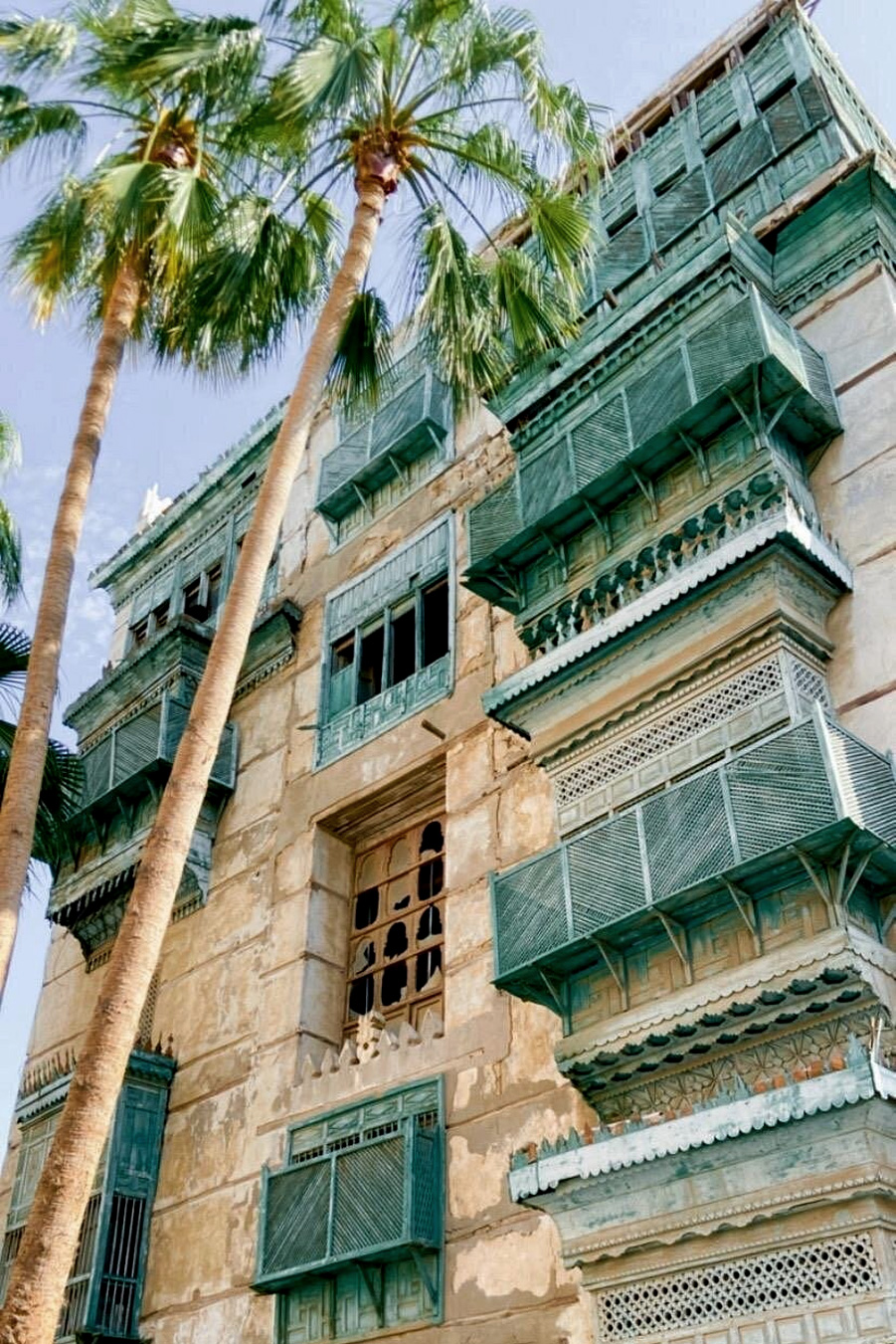
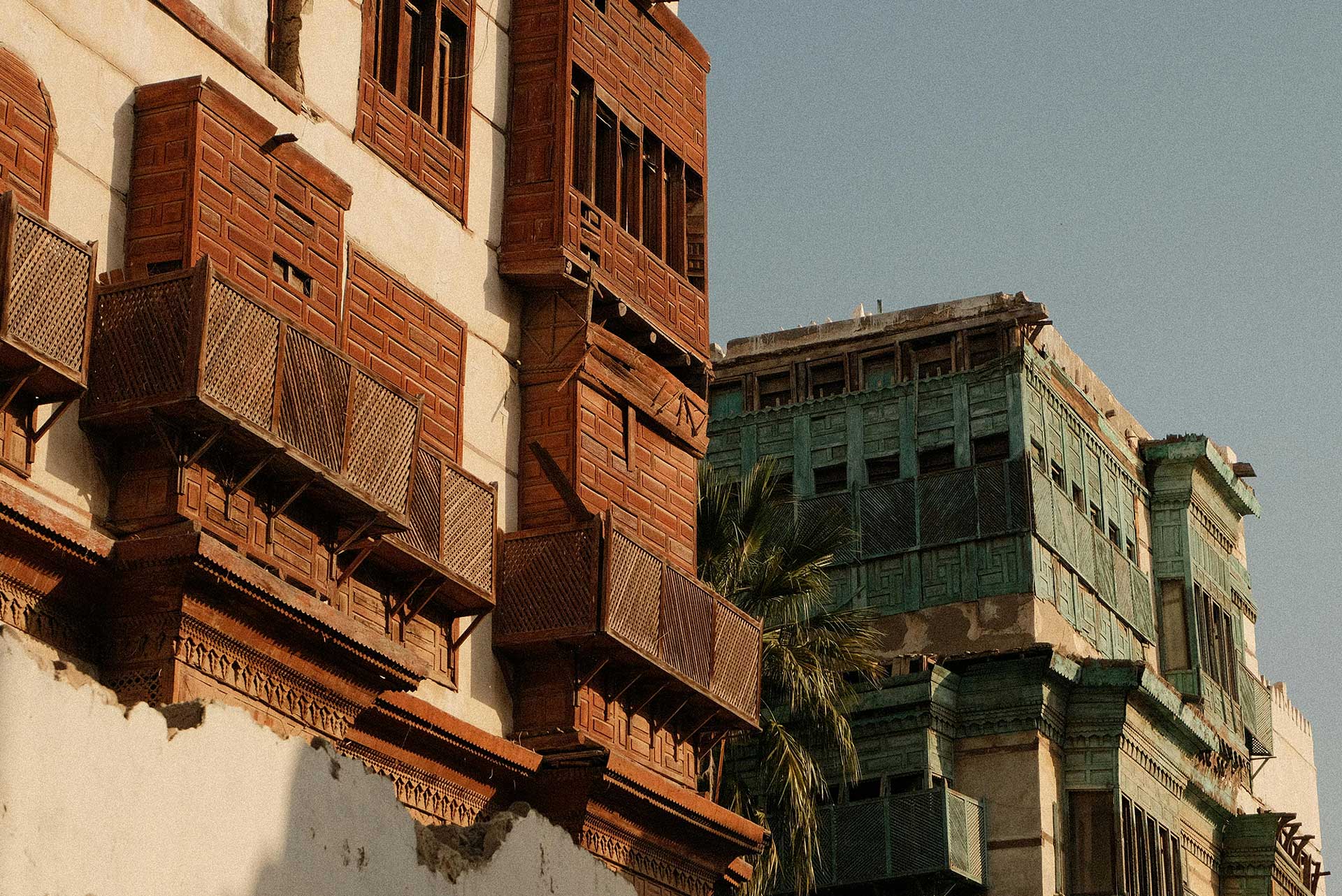
Al Balad in Jeddah, Diriyah in Riyadh and the broader heritage hotel category represent an opportunity for brand development that draws on genuine cultural depth. Properties in these locations that position around authentic heritage will build a differentiation that international chains importing a global template cannot replicate.
What This Means for Owners and Developers
For owners and developers entering or expanding within Saudi Arabia's hospitality market, the brand strategy questions that determine long-term success are: What does this property offer that the market cannot easily replicate? Who is the guest most likely to value that? What positioning makes that value legible to both guests and operators? How does the brand hold across Saudi Arabia's diverse regional markets?
Properties that answer these questions clearly before committing capital to physical development are the ones that will build lasting value in the Kingdom's most ambitious hospitality expansion.
Cultural sensitivity guidelines. Guest experience mapping. Revenue management alignment. With over 362,000 rooms entering the market, the properties that invest in brand strategy first are the ones positioned to hold value last.