Brand Strategy for Asia's Urban Hotel Evolution
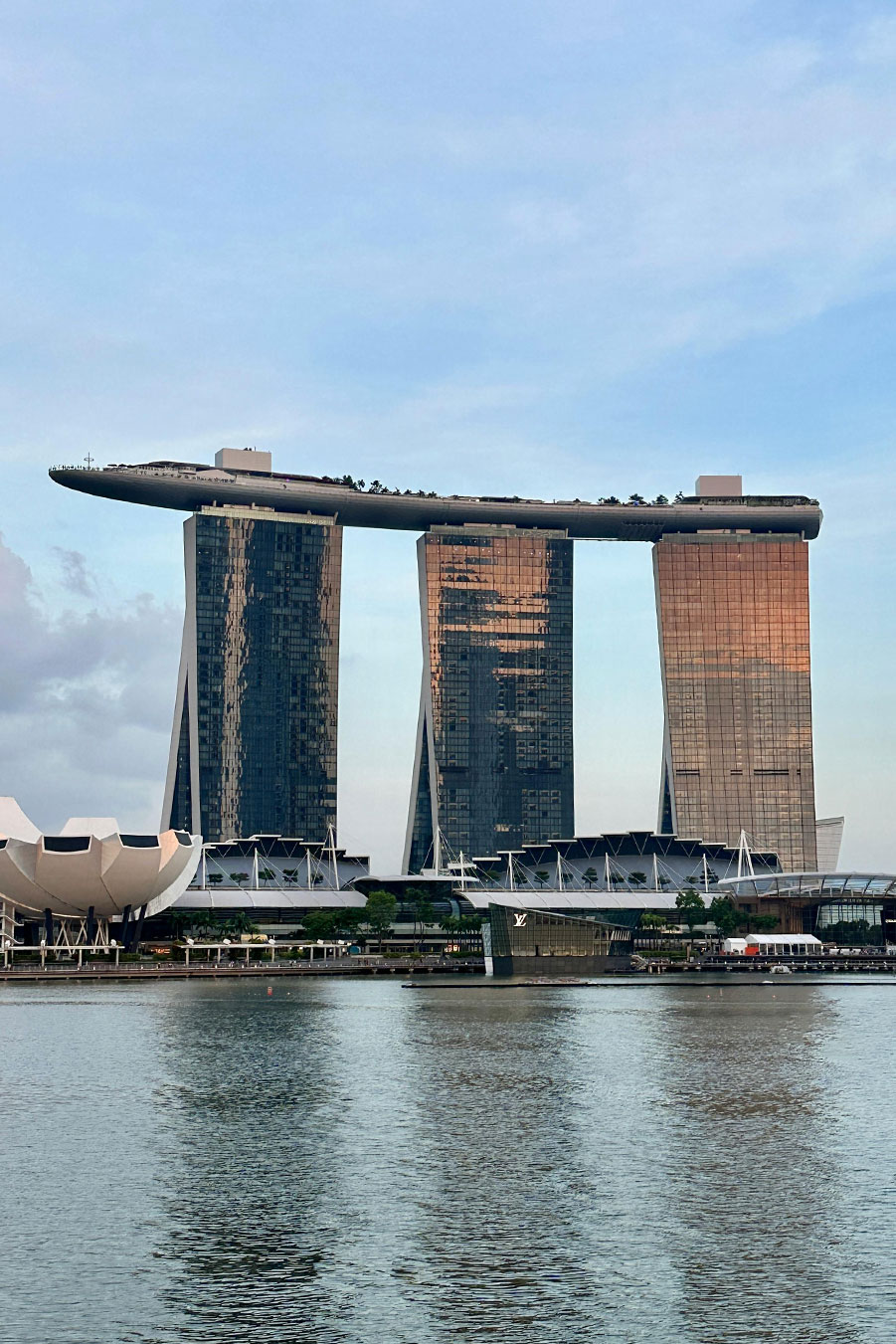
Asia's urban hospitality scene is entering a new phase. Singapore, Tokyo, Seoul and Bangkok set global standards for hotel design and guest experience. Yet the definition of luxury within these cities is changing.
Travellers no longer respond to scale alone. They want clarity. Purpose. Environments that support the pace of modern life rather than adding to its complexity.
This shift demands brand strategy that translates spatial intelligence into competitive advantage. Hotels that still position around grandeur compete differently than those built around rhythm and ease.
Singapore: Clarity as Competitive AdvantageSingapore's hospitality market rewards hotels that think clearly about their guest. The properties gaining ground are not the loudest. They are the most legible -- spaces where the brand proposition is understood immediately and the experience unfolds without friction.
Pan Pacific Singapore demonstrates what considered urban design achieves. Public spaces are generous without being overwhelming. The guest experience feels direct. No cognitive load.
Tokyo: Purpose-Built EnvironmentsTokyo's urban hotel landscape is shaped by buildings that know their role. Aman Tokyo operates at the intersection of minimalism and cultural depth. The spatial language references Japan's architectural heritage without commentary.
The result is a hotel that feels inevitable -- exactly what it should be in this city, at this standard. Brand strategy informed site planning, ensuring experience clarity from first research through to checkout and beyond.
Seoul: Cultural Confidence as Brand PositionSeoul's luxury hotel market is increasingly shaped by properties that commit to Korean cultural identity rather than importing international templates. Josun Palace reflects this. The property draws on Korean heritage in a way that feels authoritative rather than decorative.
The guest who comes to Seoul for its culture wants the hotel to be part of that encounter. Brand strategy that enables this creates positioning that international chains cannot replicate from outside the culture.
Bangkok: Adaptive LuxuryBangkok's hospitality market is large and competitive. The properties that hold position are those with clear brand thinking behind the experience.
The right questions for any new urban luxury property in this region: What does the city ask of this hotel? Which moments in the guest experience receive priority attention? How does the property earn the rate it needs?
Properties that answer these questions with clarity before they open are the ones that hold position as markets evolve.