

The Rise of Branded Living Across Asia’s Urban Markets
Asia's branded residence market has reached USD 30.7 billion. Across 283 projects and 67,353 units, the sector is projected to grow 180% by 2031. Singapore, Bangkok, Kuala Lumpur and Jakarta lead a transformation where buyers choose homes backed by tier-one hospitality brands.
This is not niche luxury. This is mainstream development strategy. Seventy percent of luxury hotel deals now include branded residence components.
The question is no longer whether to launch a branded residence. The question is whether the brand can protect value when supply accelerates.
Thailand's Dominance and Market Maturity
Thailand commands 23.3% of Asia's branded residence market. Phuket ranks fifth globally. Bangkok seventh. Together they represent 16,271 units across 65 completed and pipeline developments.
This concentration creates positioning pressure.
New properties in Bangkok compete against Four Seasons, Ritz-Carlton, St. Regis, Rosewood, Capella and dozens of other tier-one brands. Phuket's resort market sees projects launch within kilometres of each other, all promising beachfront luxury and hotel-managed services.
Generic positioning invites direct comparison on price per square metre. Strong brand strategy differentiates on experience, governance and long-term value protection.
Effective branded residence strategy begins with clarity around buyer archetypes, service delivery models and how the brand protects asset value across market cycles.
Singapore Buyers Drive Regional Expansion
Singaporean buyers represent 45% of purchases in some regional markets. High domestic taxation and stamp duty push capital into Thailand, Vietnam, Malaysia and Indonesia.
These buyers seek familiarity. Brand recognition. Operational certainty.
A Four Seasons Bangkok residence appeals because the buyer already stays at Four Seasons properties globally. The brand translates known service standards into residential context. Trust transfers from hospitality experience to property investment.
This dynamic shapes brand strategy. Developers cannot rely solely on location or architecture. The brand name must carry weight. The service promise must feel credible. The governance structure must prove the property will maintain standards when the developer exits.
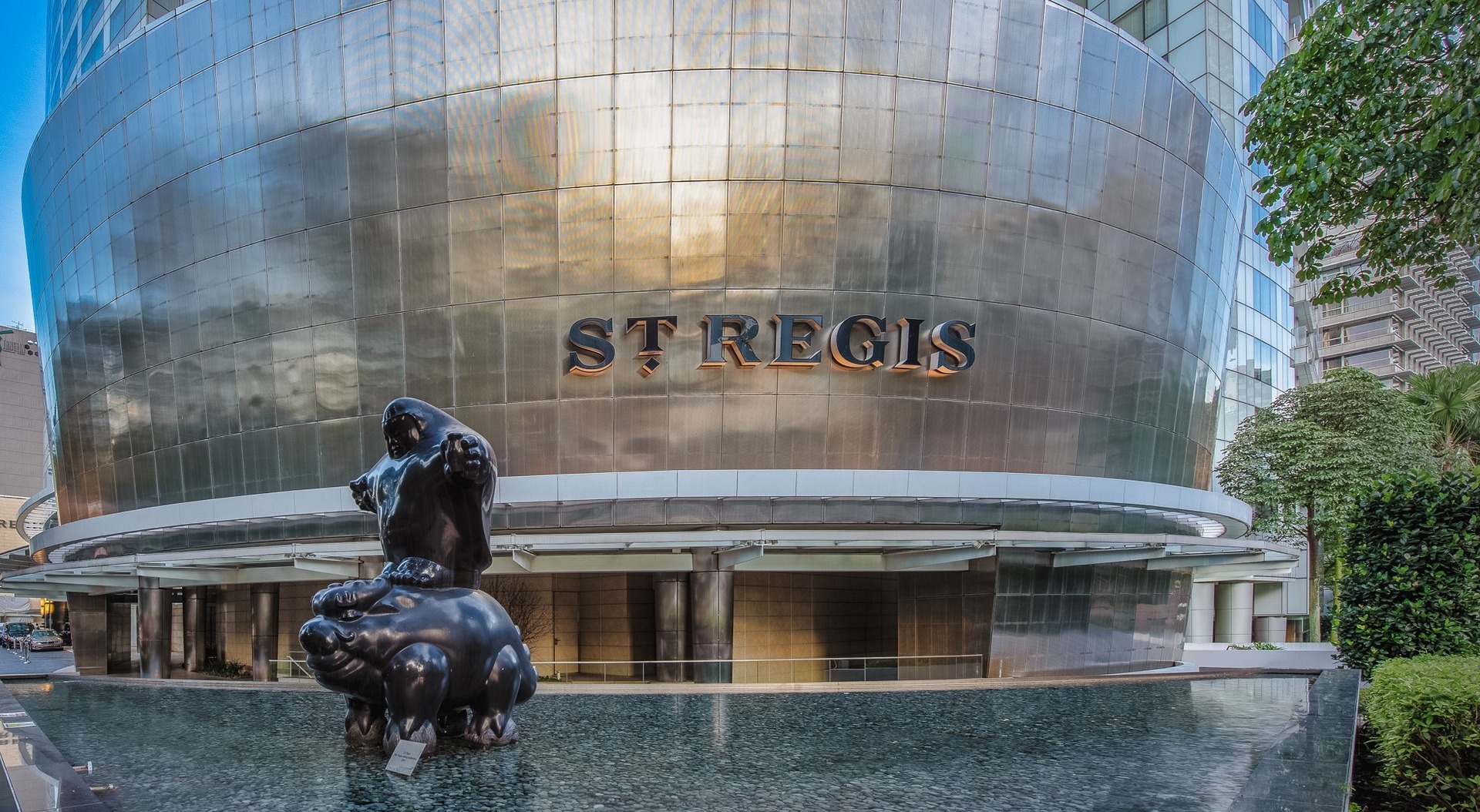
Our work on St. Regis Residences Jakarta addressed how Southeast Asian buyers evaluate brand strength, operator track record and long-term value protection when choosing between competing luxury developments.
Brand Governance as Competitive Advantage
Branded residences face a paradox. Buyers purchase based on brand promise. But delivery depends on governance execution.
The identity must work across decades, not years. Visual systems must age gracefully. Service protocols must flex across cultural contexts without losing coherence. Communications must maintain tone consistency from sales through to ownership and resale.
Brand governance frameworks document how standards hold across time and transition. Visual identity guidelines. Service delivery protocols. Quality benchmarks. Dispute resolution processes. These tools protect both developer and buyer from brand dilution.
Without governance, even prestigious operator partnerships cannot guarantee long-term value. The brand becomes marketing, not infrastructure.
Reference to work: Our positioning and identity work for Four Seasons Private Residences Mumbai established governance systems that ensure brand integrity across 26 residences on 55 floors, where individual owner preferences must coexist with collective brand standards.
Cultural Context Shapes Positioning Strategy
Bangkok's branded residences serve different needs than Singapore's. Jakarta's market differs from Kuala Lumpur's. Phuket's resort-led properties position against urban towers in Manila.
Cultural authenticity shapes brand credibility.
Thai buyers expect warmth and social connection in common areas. Singaporean purchasers prioritise efficiency and privacy. Indonesian investors seek status and family legacy. Korean residents demand technological integration and design precision.
Generic luxury language fails across all contexts. The brand must reflect local values while maintaining international service standards that justify premium pricing to cross-border buyers.
Non-Hospitality Brands Enter the Market
Porsche, Bugatti, Aston Martin, Etro. Non-hospitality brands now represent 4% of Asia's branded residence pipeline.
This diversification tests traditional assumptions about what defines a credible residential brand. These brands bring design heritage and lifestyle association. They lack hospitality operational experience.
The positioning challenge: how does an automotive or fashion brand translate its values into residential governance? How does it prove it can manage property services, resolve owner disputes and maintain standards across decades?
Successful non-hospitality entries rely on strong development partners who provide operational infrastructure while the brand contributes identity, design language and buyer appeal. The governance becomes even more critical when the brand name cannot fall back on hotel operational credibility.
Co-Located vs Standalone Models
Fifty-seven percent of Asia's branded residences sit co-located with hotels. Twenty-four percent occupy mixed-use developments. Nineteen percent operate standalone.
Each model demands different brand strategy.
Co-located properties borrow credibility from operating hotels. Buyers see the brand in action daily. Service standards are visible and verifiable. But the residential identity risks becoming derivative of the hotel brand without distinct positioning.
Standalone properties require stronger brand communication. The identity must work independently. Governance must prove itself without adjacent hotel operations as reference point. Marketing carries heavier burden to establish credibility.
Mixed-use developments balance both challenges. The brand must flex across retail, F&B, wellness and residential contexts while maintaining coherent identity.
See how we build visual identity systems that work across diverse property types while maintaining brand recognition and consistency.
Sustainability as Brand Imperative
Seventy-five percent of ultra-high-net-worth buyers actively seek to reduce their carbon footprint through property choices.
Sustainability shapes brand positioning, not just environmental compliance.
LEED certification. Solar integration. Water conservation systems. Locally sourced materials. These commitments must translate into brand language that resonates with buyers who view sustainability as status, not sacrifice.
Properties that position sustainability as amenity constraint ("we limit water usage") compete differently than those framing it as lifestyle elevation ("rainwater harvesting supports our wellness gardens and reduces environmental impact").
The brand narrative determines whether sustainability strengthens or weakens positioning.
Our Perspective
Asia's USD 30.7 billion branded residence market represents the fastest-growing luxury real estate segment globally. Properties entering this competitive landscape with weak brand strategy will compete on location and pricing alone.
Those that build brands around governance clarity, cultural authenticity and buyer confidence will command premiums, secure tier-one operator partnerships and protect long-term value.
The market expansion creates opportunity. Brand strategy determines which properties capture it.
Explore branded residence strategy: Connect with our team to discuss positioning, governance frameworks and identity systems for branded residence developments across Singapore, Bangkok, Jakarta, Kuala Lumpur and emerging Asia-Pacific markets.


