Saudi Arabia: Crafting a Unique Identity in Luxury Hospitality
he world's most ambitious hospitality expansion is underway in Saudi Arabia. Vision 2030 targets 150 million annual visitors, up from 115.9 million in 2024. The Kingdom surpassed its original 100 million target seven years early. Now comes the harder challenge: 362,000 new hotel rooms must launch with brands that justify premium positioning, secure tier-one operator partnerships and compete globally.
Strong branding shapes how properties are discovered, chosen and valued. It defines market positioning. Protects rates against oversupply. Attracts the right investors. Secures Marriott, Four Seasons, Mandarin Oriental and Hyatt approvals. Here's how Saudi Arabia's new hotels build brands that endure beyond launch momentum.
Vision 2030 Creates Positioning Pressure
Seventy-eight percent of Saudi Arabia's hotel pipeline sits in the luxury, upscale and upper-upscale segments. That's 77,000 high-end rooms entering markets where occupancy currently runs at 61% and ADR growth remains modest.
Clear positioning protects premium rates when supply floods the market.
NEOM ultra-luxury coastal resorts compete differently than Riyadh business hotels. Red Sea eco-conscious developments position against Diriyah heritage properties. Makkah religious hospitality serves different needs than Jeddah gateway hotels. AlUla cultural destinations attract guests seeking transformation, not transactions.
The brand must answer:
- What guest archetype does this property serve?
- Which Vision 2030 pillar does it support (religious, leisure, business, cultural, events)?
- How does it differ from the 94,000 rooms under construction nearby?
- Why does this location justify luxury classification?
See how we approach hotel repositioning and brand clarity for properties facing competitive pressure.
Cultural Authenticity as Brand Foundation
Saudi hospitality sits at the intersection of Islamic heritage, Bedouin tradition and futuristic ambition. Properties that treat culture as decoration risk losing credibility with both international and domestic travellers.
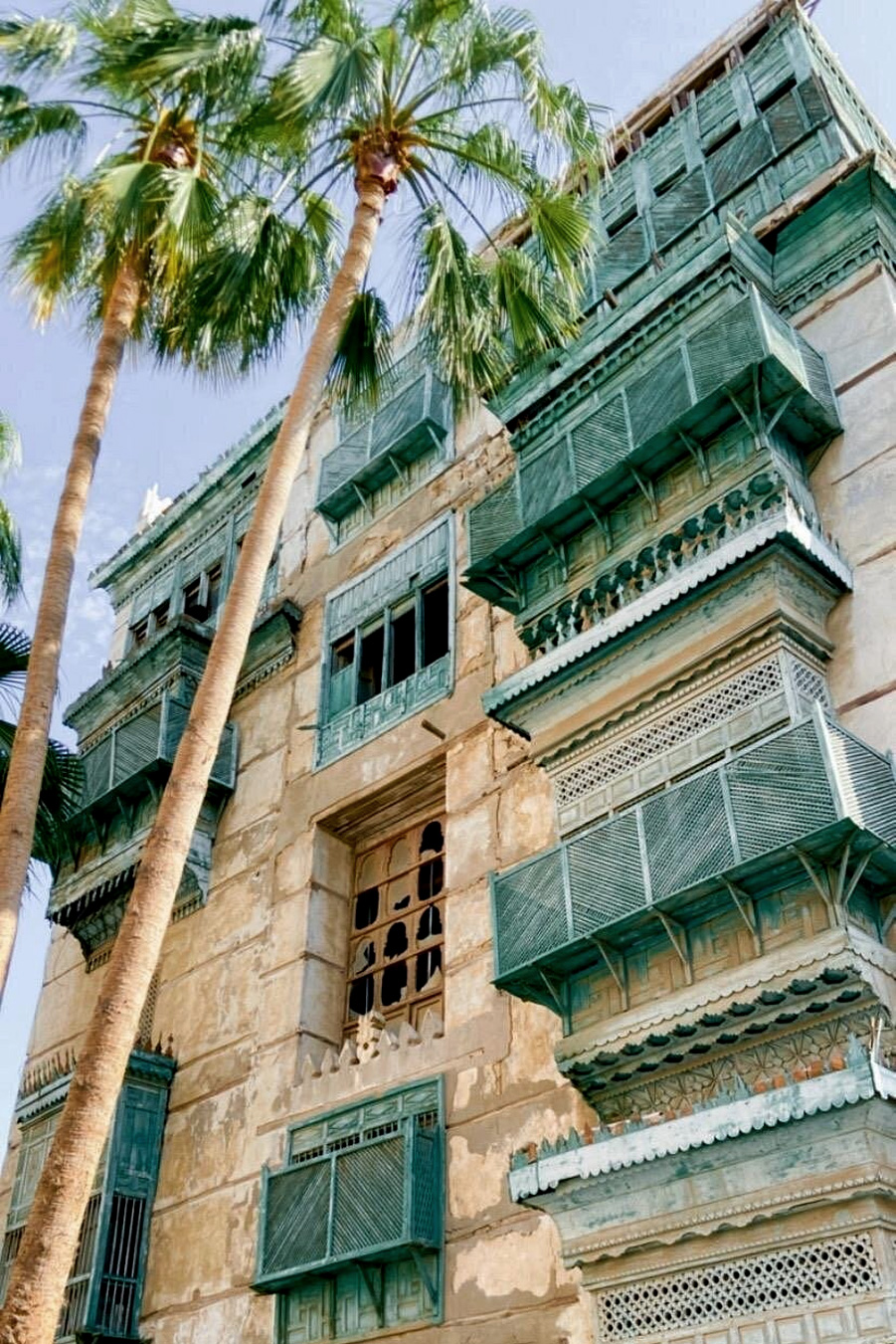
Heritage must be woven into brand DNA. Al Balad district conversions in Jeddah. Najdi architectural references in Riyadh developments. Desert immersion experiences across Empty Quarter retreats. Red Sea coral regeneration narratives. AlUla archaeology-led positioning.
Guests increasingly choose properties based on authentic cultural engagement. Not performative gestures.
Our team works across Saudi Arabia and recently visited Jeddah's Al Balad heritage district to understand how centuries-old coral architecture informs contemporary luxury hotel identity. The brand language emerged from the place, not imposed upon it. Walking through the UNESCO-recognised quarter, past traditional Hijazi houses with their distinctive wooden mashrabiya screens, revealed how heritage sensitivity shapes positioning for new hotel conversions in historic contexts.
Effective Saudi Arabia luxury hotel branding balances Vision 2030 modernity with cultural depth that resonates across Arab, Western and Asian luxury traveller segments.
Mega-Projects Demand Distinct Brand Strategies
NEOM, Red Sea, Diriyah, Qiddiya, New Murabba. Each mega-project creates its own hospitality ecosystem with unique positioning demands.
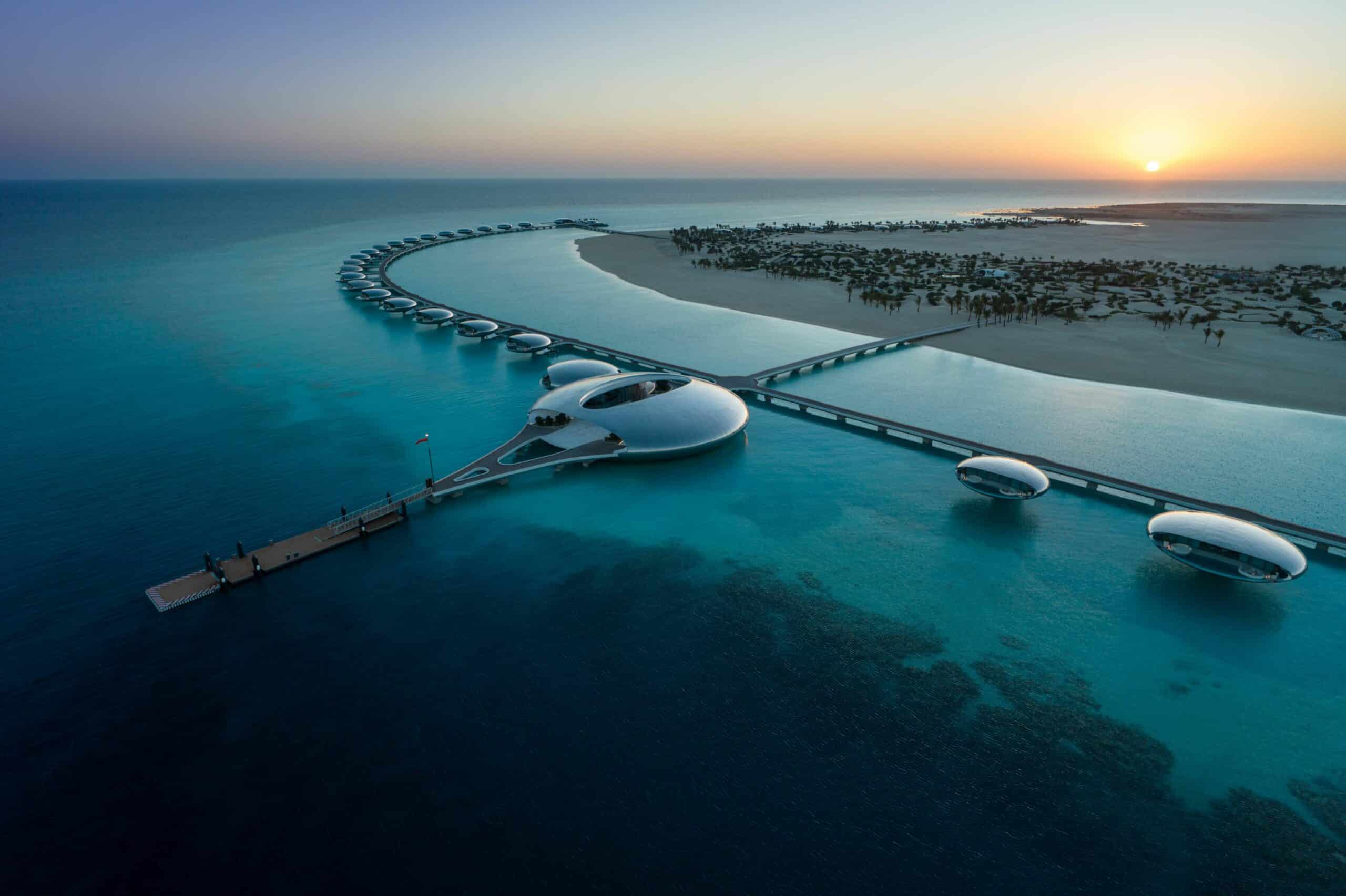
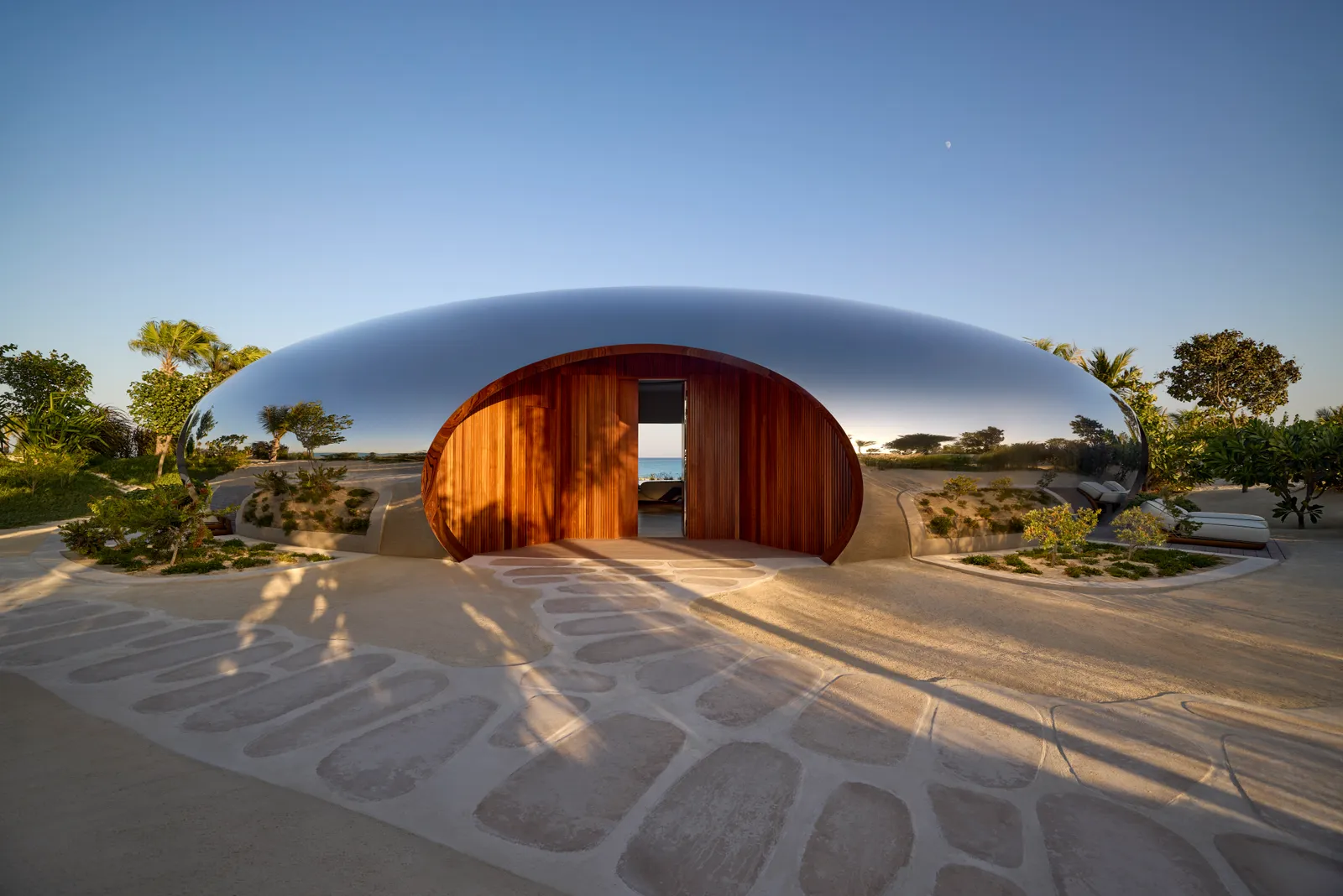
Red Sea Global's Shebara Resort exemplifies how brand strategy translates Vision 2030 ambition into tangible guest experience. Recognized among Time's World's Greatest Places 2025, Shebara positions around regenerative tourism rather than extractive luxury. Conservation mission drives brand identity. Coral reef restoration becomes guest experience. Solar-powered infrastructure translates sustainability commitments into operational proof.
The brand language reflects the Red Sea landscape. Architectural forms echo coastal geology. Material palettes draw from sand, stone and water. Service rituals incorporate marine conservation education without compromise on privacy or exclusivity. This is cultural authenticity meeting environmental responsibility—positioning that resonates with ultra-high-net-worth travellers seeking purpose alongside luxury.
NEOM targets futuristic exclusivity. Riyadh addresses business efficiency. Diriyah positions around UNESCO heritage. Each demands distinct brand strategy rooted in place and purpose.
Generic luxury language fails across all contexts. Brand strategy must reflect the specific ambition, landscape and guest expectations of each development zone.
Operator Approvals Require Brand Governance
Marriott, Accor, IHG, Hyatt and Rotana are expanding aggressively. Four Seasons just committed $827 million to Diriyah luxury hotel and private residences. Mandarin Oriental enters Cortina d'Ampezzo.
These operators assess brand strength, governance systems and commercial viability before committing.
Brand governance frameworks provide the documentation tier-one operators demand. Visual standards. Service protocols. Quality benchmarks. Cultural sensitivity guidelines. Guest journey mapping. Revenue management alignment.
Without governance, even exceptional design and location cannot secure flagship operator partnerships. The brand must prove it can deliver on promises at scale across diverse staff, seasonal demand and operational pressure.
Our work spans hotel groups and branded residences where operator approval processes require precision in brand documentation and implementation frameworks.
Non-Religious Tourism Reshapes Brand Language
Religious tourism now accounts for 26% of arrivals, down from majority share historically. Leisure represents 30%, visiting friends and family 24%, business and events the remainder.
Brand language must evolve beyond hospitality for pilgrims.
International leisure travellers seek adventure, culture, wellness and exclusivity. Desert safaris across Empty Quarter dunes. Scuba diving in pristine Red Sea waters. Archaeological site access at AlUla. Wellness retreats combining traditional hammam with contemporary spa. Riyadh Season festivals and Formula E.
Properties that position solely around religious service miss the 59% of international arrivals travelling for non-religious purposes. The brand must address multiple motivations while respecting cultural values that define Saudi identity.
Expo 2030 and FIFA 2034 Demand Legacy Brands
Riyadh's Expo 2030 expects 40 million visitors across six months. FIFA World Cup 2034 will drive global spotlight. Asian Winter Games 2029 positions Saudi Arabia as events destination.
Mega-events create short-term demand spikes but long-term brand challenges.
Hotels that brand themselves as "Expo properties" or "World Cup accommodation" struggle post-event. The identity must transcend the moment. Business hotels serving Riyadh's growing financial district. Cultural properties anchored in Diriyah heritage. Wellness retreats for year-round domestic and regional guests.
Event proximity strengthens commercial case but cannot become brand foundation. The property must justify existence beyond temporary demand surges.
Domestic Market Sophistication
Saudi nationals represent 74.3% of total visitors. Domestic travellers are sophisticated luxury consumers who demand excellence.
Brands that position solely for international guests miss the majority market. Weekend retreats to Red Sea resorts. Staycations in Riyadh's emerging lifestyle hotels. Family gatherings across Al Khobar and Dammam properties.
The brand must resonate locally while maintaining international appeal. Subtle integration of Arabic language and cultural references. Respect for prayer times and dietary requirements without compromise on service standards. Family-focused amenities alongside couple-only retreats.
Digital Strategy in Conservative Context
Saudi Arabia's young, digitally-native population engages heavily on social media. Yet cultural sensitivities shape how luxury can be portrayed.
Photography must balance aspiration with modesty. Messaging emphasises privacy, exclusivity and family values alongside luxury and service. Influencer partnerships require cultural awareness that Western hospitality marketing teams often lack.
The brand's digital presence cannot simply replicate Dubai or European luxury hotel strategies. It must reflect Saudi context while competing globally for attention and bookings.
Our Perspective
Saudi Arabia's hotel expansion represents the world's largest hospitality development programme. Properties that treat branding as afterthought will compete on location and rate alone. Those that build strategy around cultural authenticity, Vision 2030 alignment and operational governance will command premium positioning, secure tier-one partnerships and create enduring value.
The Kingdom's ambition creates the opportunity. Brand strategy ensures properties capture it.
Explore hotel branding for Saudi Arabia developments: Connect with our team to discuss positioning, identity and governance frameworks for new hotels, resorts and branded residences across Riyadh, Jeddah, NEOM, Red Sea, Diriyah and emerging Saudi destinations.