Saudi Foreign Ownership Reform 2026: Why Micro-Identity Will Outperform Mega-Masterplans
The Regulatory Shift
Saudi Arabia's 2026 foreign ownership reform allows international investors to hold 100% ownership in select tourism and hospitality assets without requiring Saudi partnership. The policy aims to accelerate Vision 2030 tourism infrastructure development by removing capital barriers.
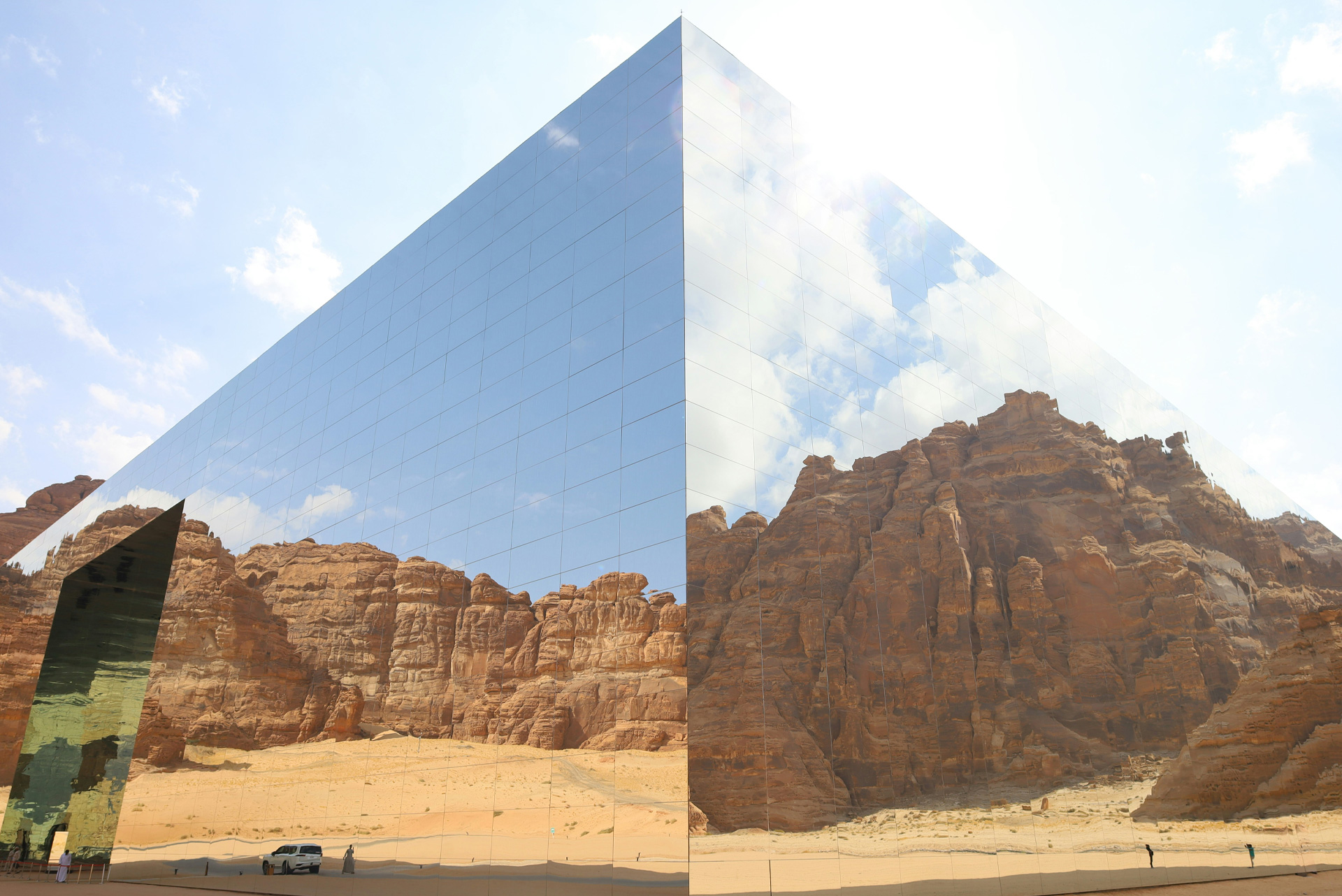
The reform applies to hotels, resorts, serviced apartments, and mixed-use hospitality developments in designated tourism zones including Neom, AlUla, Red Sea Project, Qiddiya, and Diriyah Gate.
For international developers and operators, the reform removes a significant structural constraint. Capital that previously required partnership structures or complex ownership vehicles can now flow directly into asset development.
The question is whether that capital will produce differentiated brands or template properties.
The Mega-Masterplan Default
Saudi Arabia's major tourism projects operate at extraordinary scale. The Red Sea Project targets 50 resorts across 28,000 square kilometres. Neom encompasses 26,500 square kilometres. Qiddiya spans 366 square kilometres.
Scale creates opportunity. It also creates positioning risk.
The default development model is mega-masterplan: large land parcels, phased infrastructure, multiple hospitality components, international operator agreements, and positioning frameworks designed for consistency across phases.
That model works for certain asset classes: large resort complexes, branded residence towers, convention hotels. What it struggles with is differentiation at property level.
When a masterplan contains 20+ hospitality assets all targeting "luxury," "authentic Arabian hospitality," or "desert experience," positioning collapses to location within the masterplan and room category.
The Micro-Identity Opportunity
Micro-identity is the opposite positioning strategy: small-scale properties with specific cultural narratives, distinct design vocabularies, and positioning that cannot be replicated across a masterplan.
Examples of micro-identity positioning:
A 12-room property in AlUla positioned around specific archaeological site access and heritage interpretation rather than generic luxury.
A 20-key desert camp in Neom built around astronomy programming, dark sky preservation, and Bedouin knowledge systems rather than resort amenity inventory.
A boutique property in Diriyah positioned around culinary heritage, regional ingredient sourcing, and chef-driven programming specific to Najdi culture rather than pan-Arabian F&B templates.
Micro-identity only works when positioning is defensible. That requires structural constraints: limited inventory, specific location, owner knowledge, cultural programming that cannot scale.
Why Micro Outperforms Mega
In masterplan developments, micro-identity properties capture disproportionate value:
Pricing power: Properties with specific positioning can justify ADR premiums over template alternatives. Guests pay more for differentiation when the alternative is choosing between identically positioned properties within the same masterplan.
Direct booking strength: Micro-identity properties build brand equity independent of masterplan marketing. Guests book the property, not the destination. That reduces OTA dependency and increases net revenue.
Media and influencer attention: Design media, travel press, and influencers prioritise properties with distinct narratives over template luxury. Micro-identity properties generate disproportionate editorial coverage relative to room inventory.
Repeat guest loyalty: Properties with specific positioning build guest relationships that extend beyond single visits. Repeat bookings and word-of-mouth referrals sustain occupancy without relying on masterplan-level marketing spend.
The risk is execution. Micro-identity positioning requires cultural fluency, design discipline, and operational capability that mega-masterplan developers often lack.
The Cultural Positioning Challenge
Saudi Arabia's tourism positioning inherits a structural tension: Vision 2030 targets international visitors while maintaining cultural authenticity and Islamic values.
Mega-masterplans attempt to solve this through scale: segregate family zones from mixed zones, offer multiple F&B concepts to accommodate different guest profiles, design amenities for both conservative and liberal guest expectations.
The result is often positioning that tries to please everyone and differentiates no one.
Micro-identity properties can position more precisely:
A property targeting Gulf Arab families can integrate cultural programming, prayer facilities, and F&B that reflects regional guest expectations without attempting to also serve Western couples seeking beach club experiences.
A property targeting international adventure travellers can position around desert exploration, archaeological access, and cultural immersion without diluting that narrative to accommodate family resort expectations.
Cultural specificity becomes a positioning advantage when the property is not attempting to serve all segments simultaneously.
What Foreign Ownership Reform Enables
100% foreign ownership removes capital structure constraints. What it does not remove is positioning discipline.
International developers entering Saudi Arabia with 2026 reform capital have two strategic paths:
Path 1: Partner with mega-masterplan developers. Accept location within designated zones, align with masterplan positioning frameworks, deliver properties that fit scale development models. Lower execution risk, lower differentiation potential.
Path 2: Develop micro-identity properties independently. Target specific sites outside mega-masterplans or within masterplans where independent positioning is permitted. Build properties with defensible cultural narratives and design specificity. Higher execution risk, higher differentiation potential.
Most capital will flow toward Path 1 because it is easier to execute and scale. That creates opportunity for Path 2.
What This Means for International Developers
If you are evaluating Saudi Arabia under foreign ownership reform, the opportunity is not just capital access. It is positioning flexibility.
Mega-masterplans will absorb most international hotel brand capacity. That creates undersupply in micro-identity properties with strong cultural positioning and design differentiation.
If you have cultural fluency, relationships with Saudi partners who understand heritage positioning, and willingness to develop at small scale with high design and programming investment, micro-identity offers stronger risk-adjusted returns than competing for masterplan parcels alongside global chains.
If your capability is large-scale development and operational efficiency, mega-masterplan participation makes sense. Distribution reach and brand recognition matter more than micro-positioning in those cases.
Saudi Arabia's tourism ambition is not in question. Whether that ambition produces differentiated hospitality brands or template properties depends on which developers enter the market and what positioning strategies they execute.
Foreign ownership reform opens the door. Micro-identity versus mega-masterplan determines what walks through it.
Related: Our work in Saudi Arabia | Cultural positioning frameworks | Discuss your project