Oman's Quiet Luxury Opportunity: Why Under-Branded Coastal Resorts Outperform UAE Saturation
The Under-Supply Reality
While Dubai and Abu Dhabi add hundreds of hotel rooms quarterly, Oman's coastal resort inventory grows slowly and selectively. The contrast is deliberate.
Oman maintains stricter development controls, environmental protection requirements, and tourism volume targets that prioritise quality over scale. The result is a market with undersupplied luxury coastal inventory relative to GCC demand.
For developers and operators, that creates opportunity: positioning against UAE saturation with Oman's quiet luxury alternative.
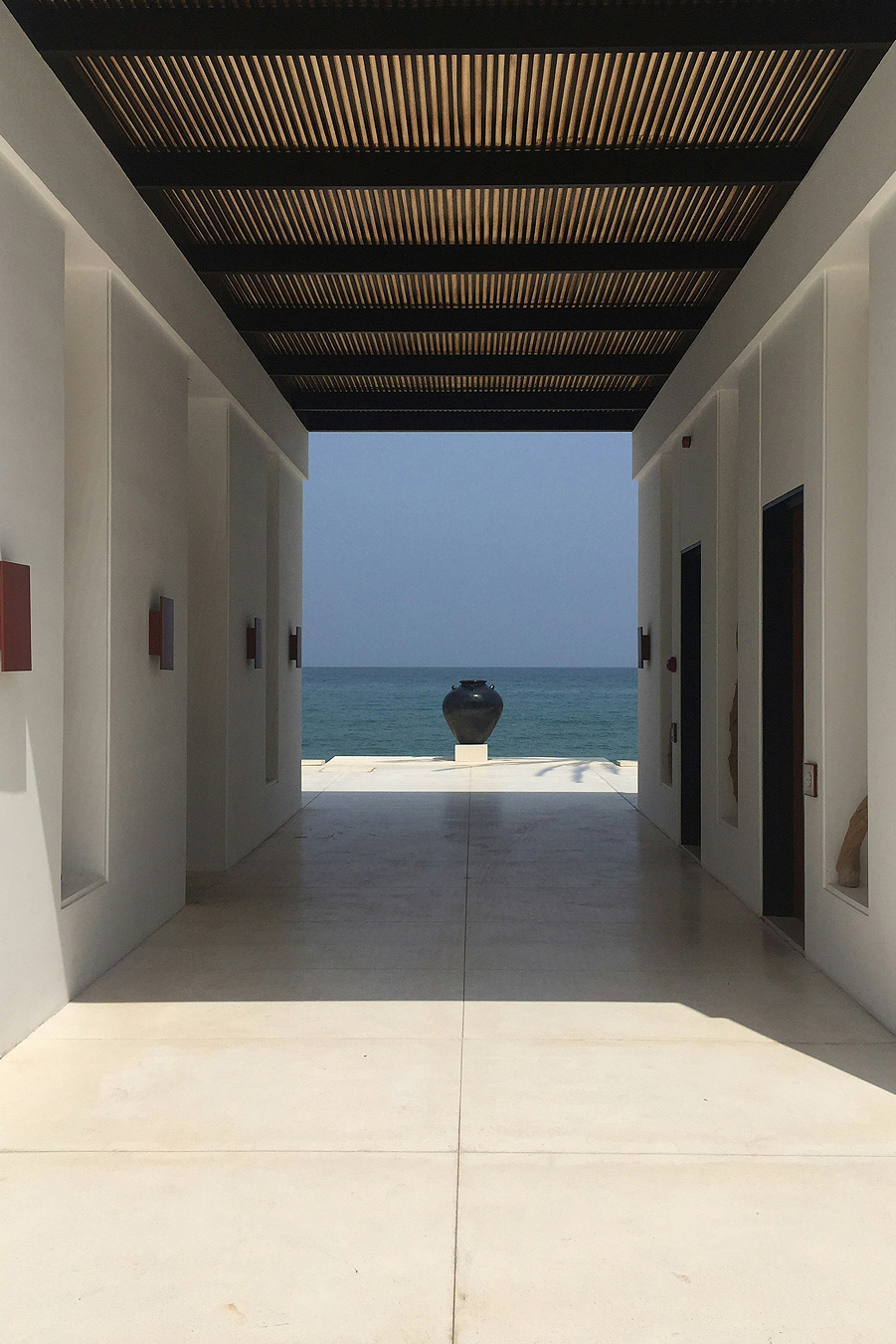
What Quiet Luxury Means in Oman Context
Quiet luxury is not minimal design or muted aesthetics. It is positioning around attributes that saturated markets cannot deliver:
Low-density development: Omani regulations restrict coastal development density. Properties cannot pack rooms into small sites. That constraint becomes a positioning advantage when guests seek space, privacy, and separation from crowds.
Environmental integration: Oman's development approvals require environmental impact assessments and habitat protection. Properties designed around turtle nesting beaches, coral reef access, or wadi systems position differently from UAE resorts built on reclaimed land.
Cultural preservation: Oman maintains stronger cultural identity than Dubai's cosmopolitan positioning. Properties integrating Omani architecture, craft traditions, and cultural programming offer differentiation that UAE properties cannot match without appearing imported or artificial.
Accessibility limitations as benefit: Oman's geography creates natural guest filtering. Properties requiring internal flights or multi-hour drives from Muscat attract guests seeking remoteness. That limitation becomes positioning advantage when the alternative is UAE accessibility and volume.
Who is Building
International luxury operators recognise Oman's positioning opportunity:
Six Senses operates in Zighy Bay with positioning around wellness, sustainability, and design integration with dramatic mountain-coast topography.
Alila expanded to Jabal Akhdar and Hinu Bay, positioning around heritage architecture, wellness programming, and experiential travel rather than resort amenity inventory.
Anantara maintains properties in Muscat and Jabal Akhdar, targeting regional Gulf Arab guests and European travellers seeking GCC alternatives to Dubai.
What remains undersupplied is mid-luxury and upper-upscale inventory. Properties targeting €200-400 ADR with strong design and positioning but not ultra-luxury price points.
The Positioning Advantage Over UAE
Oman properties competing against UAE resorts can position on attributes that saturated markets struggle to deliver:
Authentic coastal access: Oman's coastline offers natural beaches, coral reefs, and marine biodiversity. UAE coastal resorts often operate on engineered beaches and imported sand. Positioning around natural environment versus constructed amenity creates differentiation.
Cultural depth versus cosmopolitan breadth: Dubai positions as global crossroads. Oman positions as culturally rooted. Properties integrating Omani heritage, craft, and culinary traditions offer specificity that Dubai's international positioning cannot match.
Wellness positioning without saturation: Dubai has over 20 luxury spas and wellness-focused properties. Oman's wellness positioning remains relatively undeveloped. Properties building credible wellness programmes face less competitive noise.
Adventure and exploration positioning: Oman's geography supports trekking, wadi exploration, diving, and desert experiences. Properties positioning around active exploration rather than passive resort luxury differentiate from UAE beach club models.
The Market Demand Question
Undersupply only creates opportunity if demand exists to fill inventory.
Oman targets specific guest segments:
Gulf Arab families seeking alternatives to UAE: Regional guests looking for weekend or holiday retreats without UAE crowds, traffic, and social density. Oman offers proximity with differentiation.
European and British travellers: Oman has historical UK ties and positions as Middle East destination with cultural depth and natural environment. Less politically charged than other regional markets.
Wellness and experiential travellers: Guests prioritising wellness programming, cultural immersion, and natural environment over resort amenity volume. Oman's positioning aligns with this segment better than Dubai's scale luxury model.
Demand is constrained by accessibility. Muscat has limited international airlift compared to Dubai. Properties requiring internal connections face distribution challenges. But constraint also filters guest profile toward those specifically seeking Oman's attributes.
The Branding Gap
Oman's coastal resorts are under-branded in two ways:
1. Limited flag penetration: Fewer international chain affiliations mean more independent properties. That creates opportunity for owners willing to invest in independent brand development but also distribution risk for those lacking direct booking capability.
2. Weak positioning specificity: Many Oman properties position generically around "luxury," "authentic Omani hospitality," or "pristine nature." Those claims do not differentiate in ways that drive booking preference over UAE alternatives.
The opportunity is for properties that position specifically:
Not "authentic Omani hospitality" but specific cultural programming around Omani craft, culinary heritage, or architectural preservation.
Not "pristine nature" but specific environmental programming around turtle conservation, coral reef protection, or wadi ecosystem interpretation.
Not "wellness retreat" but specific wellness philosophy integrated with Omani cultural practices, ingredient sourcing, and environmental context.
What This Means for Developers
If you are evaluating Oman for coastal resort development, the opportunity is positioning against UAE saturation with quiet luxury attributes Dubai cannot deliver at scale.
That requires accepting lower room counts, environmental constraints, and accessibility limitations as positioning advantages rather than development constraints.
If you can position around natural environment integration, cultural depth, and guest experience specificity, Oman offers stronger differentiation potential than competing for UAE market share.
If your development model requires high room counts, maximised site density, and accessibility to international airlift, UAE markets remain better suited. Oman's constraints become liabilities in that model.
Quiet luxury positioning is not about doing less. It is about positioning scarcity, cultural specificity, and environmental integration as premium value propositions in markets where saturation has eroded those attributes.
Oman's coastal undersupply creates opportunity. Whether you capture it depends on positioning discipline, not just development capital.
Related: Our work in the GCC | Destination and resort positioning | Discuss your project