The Rise of Branded Living Across Asia’s Urban Markets
Why branded residences are reshaping modern lifestyle expectations
Across Asia, branded residences have evolved from a niche concept into one of the region’s most influential lifestyle trends. Buyers in Singapore, Bangkok, Kuala Lumpur, and Jakarta are choosing homes supported by the standards of top hotel brands. This shift reflects a growing desire for security, service consistency, and predictable long-term value in busy urban environments.
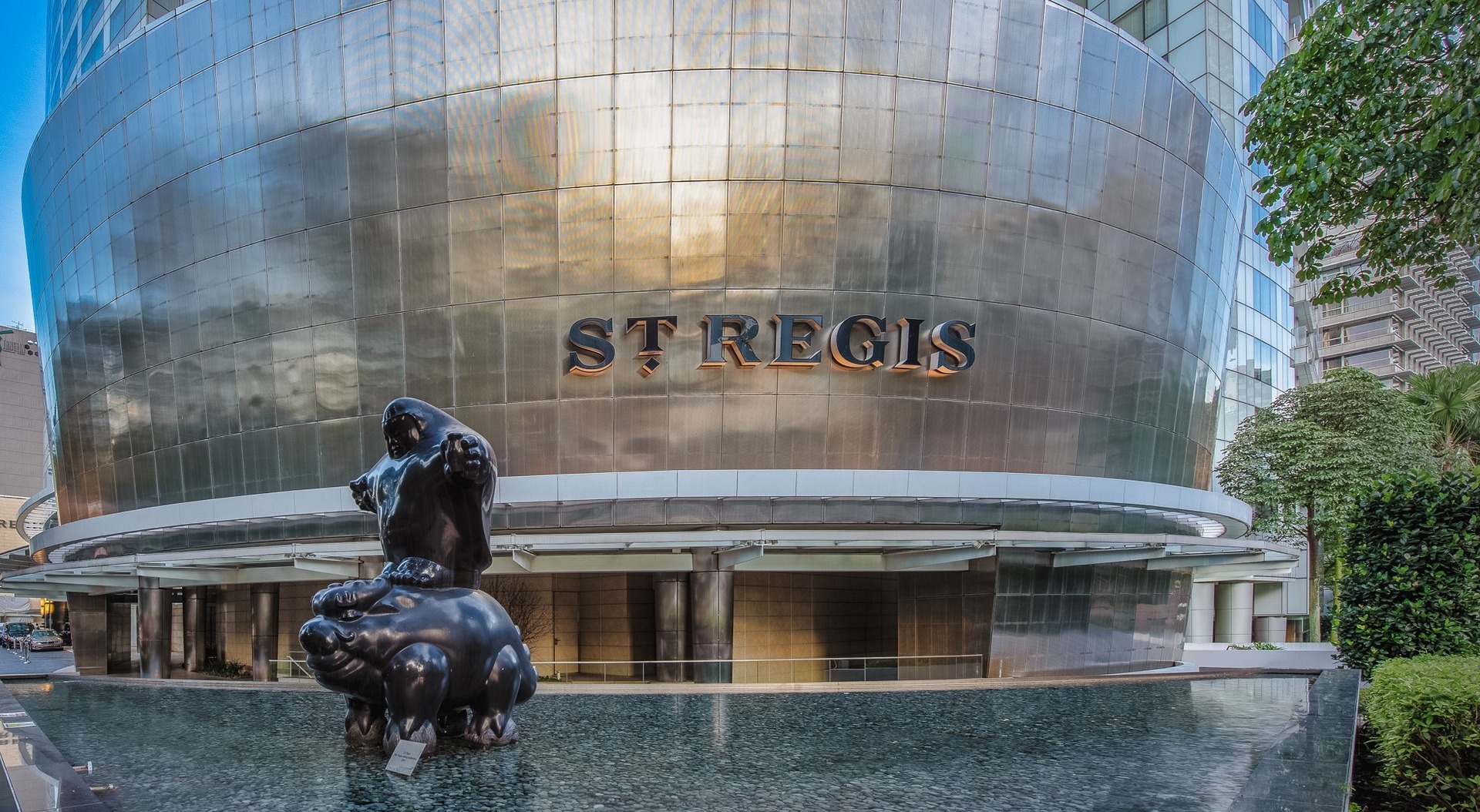
Singapore has been central to this growth. Early developments set a high standard for service-led living, demonstrating that residents were willing to invest in homes backed by respected hospitality brands. For many owners, the appeal lies in knowing that the property’s quality, maintenance, and day-to-day management will not slip over time. This sense of stability has become a core driver for the category.
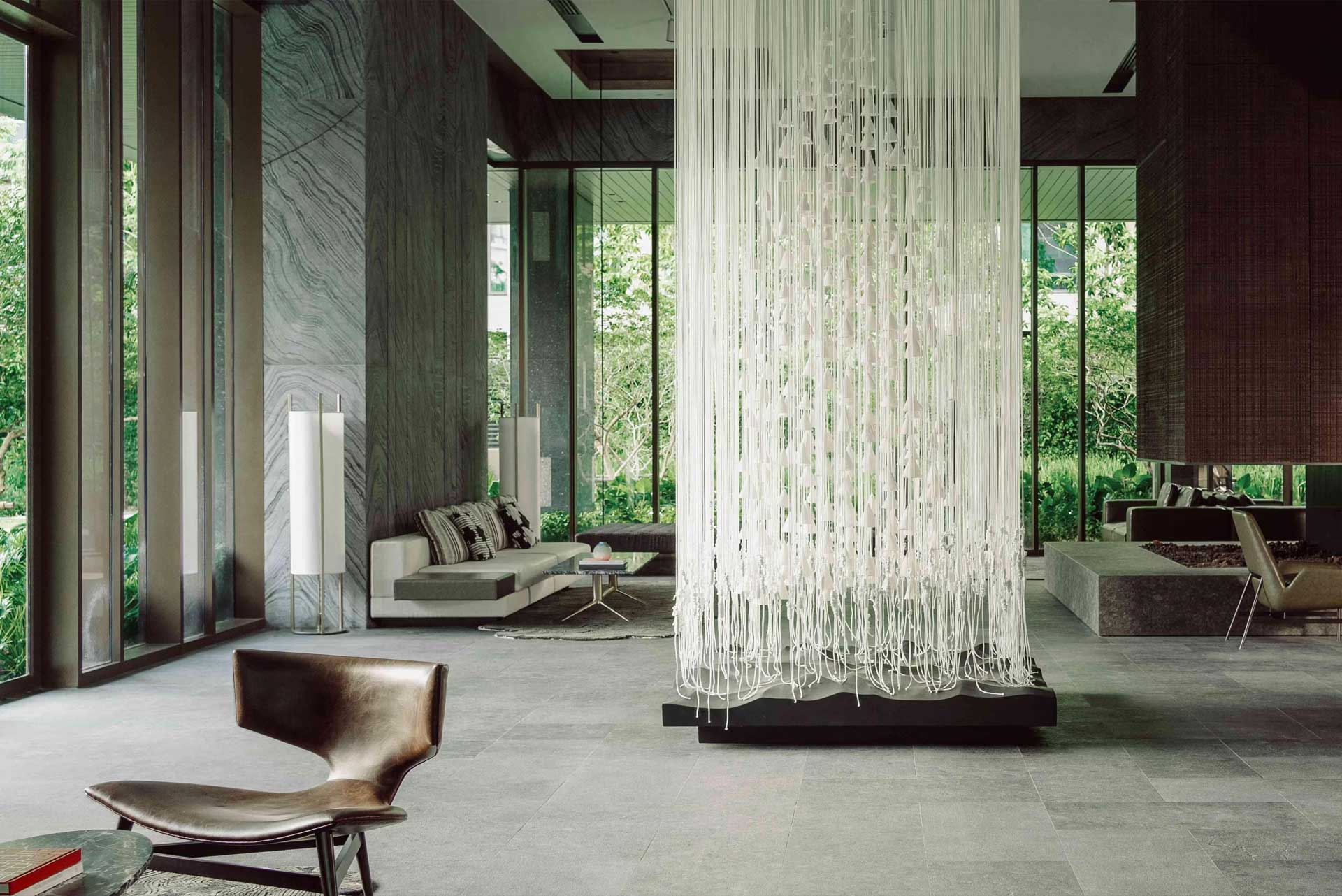
Bangkok represents a different angle. Here, branded residences combine lifestyle, community, and curated design into a single offering. Many developments integrate private amenities, wellness spaces, residents’ clubs, and concierge support, creating a living experience that mirrors modern urban hospitality. Buyers value the feeling of being supported without the intensity of traditional high-rise living. Comfort and control play equal roles.
Kuala Lumpur and Jakarta follow their own paths. In these markets, branded residences appeal to younger professionals and international buyers seeking a dependable long-term base. Many are looking for a lifestyle upgrade that removes the stress of managing a property independently. A trusted brand attached to the development helps reduce uncertainty around future value and overall upkeep.
Across all these markets, one theme is consistent. Buyers want clarity. They want to know what to expect from their home, how it will be maintained, and how the brand will support them as their needs evolve. The emotional element is significant. Residents want to feel confident in the environment that surrounds them every day.
This shift has influenced how developers approach branding. A successful branded residence relies on more than the strength of its hotel partner. It needs a clear identity that communicates reassurance. Names must feel stable rather than overly expressive. Visual language should be calm, consistent, and designed to last. Messaging must reflect long-term trust rather than short-term excitement.
Unlike hotel brands, residential identity lives with owners for years. Every design choice, service promise, and piece of communication must support that ongoing relationship. When this foundation is in place, branded residences build communities built on reliability rather than novelty.
Asia’s urban buyers are increasingly selective. They look for investments that offer comfort, clarity, and long-term value. Branded living answers all three, which is why this category will continue to grow as cities across Asia expand and evolve.
Image Credits: Mandarin Oriental, WATG