How Thoughtful Design Builds Guest Trust in Asia’s Luxury Hotels
Why design clarity is becoming a core part of the hospitality experience
Guest expectations in Asia’s luxury hospitality sector have shifted dramatically over the last decade. Travellers arriving in cities such as Singapore, Tokyo, Seoul, and Bangkok want more than visual impact. They want hotels that help them settle, think clearly, and feel at ease. Trust has become one of the most valuable currencies in hospitality, and design plays a central role in earning it.
Today’s guests judge a hotel from the moment they step inside. They look for balance, flow, and clarity. These qualities shape their first impression long before they interact with staff or enter their room. Design that guides, reassures, and supports the guest journey builds an immediate sense of confidence.
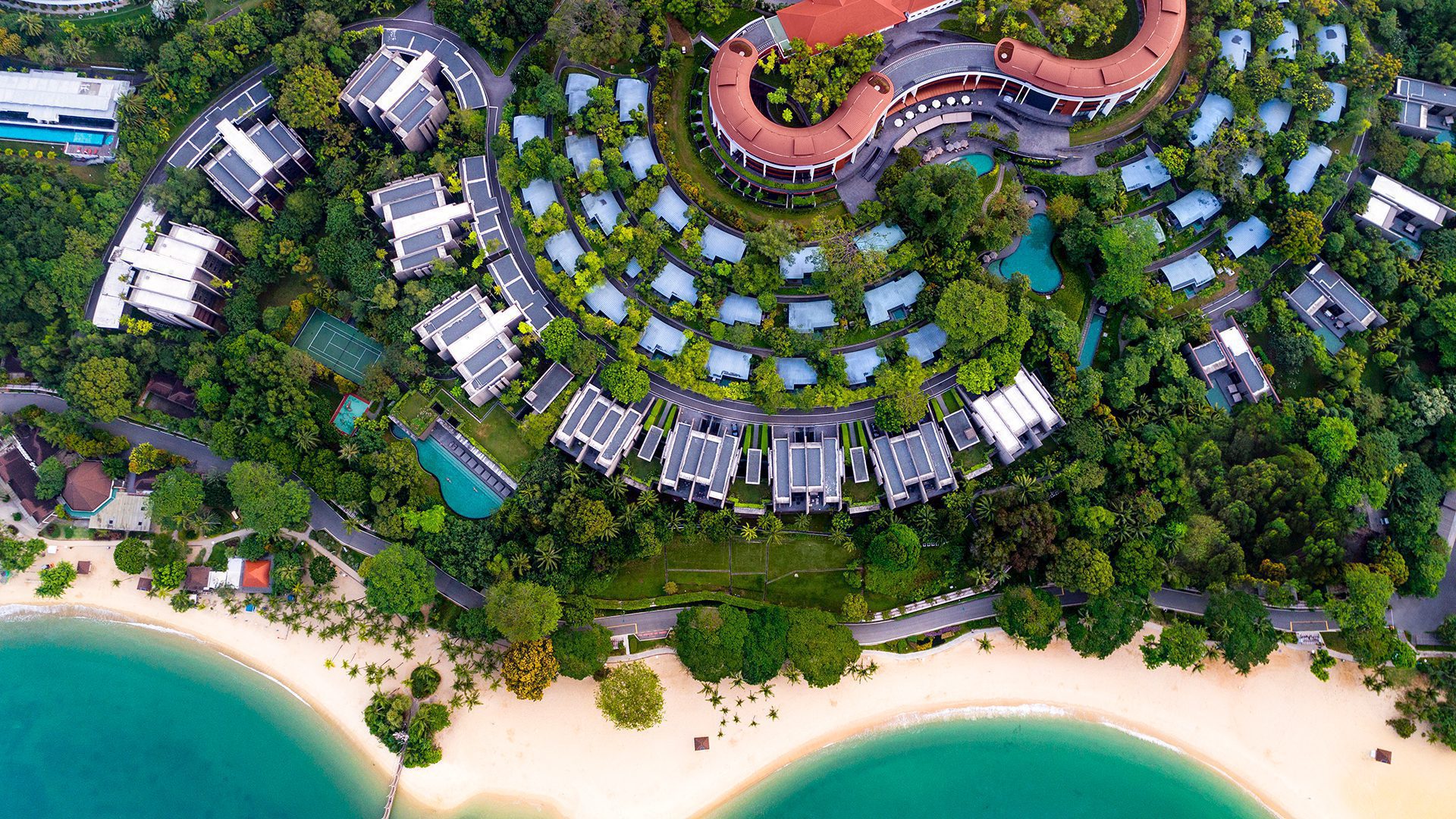
Singapore has been one of the strongest adopters of this approach. Luxury properties across the city are moving toward layouts that reduce stress and present choices with simplicity. Capella Singapore, for example, arranges its public areas in a way that feels intuitive. Pathways are clear. Transitions between indoor and outdoor spaces are smooth. Lighting helps define mood rather than overwhelm the senses. Guests instinctively understand how to move through the property, which creates an early sense of comfort.
Tokyo has long embraced this philosophy. The city’s best hotels rely on proportion, natural materials, and purposeful restraint. Rooms often feel like a quiet retreat from the surrounding intensity. Travellers trust spaces that feel honest and consistent. The design is not trying to impress. It is trying to support the guest.
In Seoul, modern design vocabulary shapes trust in a different way. Hotels often combine confident architecture with precise spatial planning. Even when structures are dramatic, interiors remain organised, clean, and easy to navigate. The sense of clarity is what grounds the experience.
Bangkok brings a more emotional dimension. Many of the city’s lifestyle hotels use warmth, texture, and social connection to build trust. Guests respond well to environments that feel inviting without losing refinement. Spaces that encourage interaction, yet still offer privacy, create a feeling of belonging.
Across these cities, the shared theme is consistency. Guests want design that stays coherent from the lobby to the room. They want a tone of voice that matches the physical environment. When the visual identity, digital experience, and spatial design reflect the same values, guests feel that the brand understands their needs.
This level of thoughtfulness affects more than aesthetics. It influences how guests sleep, how they move, where they choose to spend time, and how they remember the stay. Trust becomes a natural outcome of good design. It is earned through intention, not excess.
For hotel developers and operators, the message is clear. Design is no longer a layer placed on top of the experience. It is the foundation that shapes how the guest feels, how they navigate the property, and how they judge the brand. When design builds trust, loyalty follows.
Image Credits: IHG, Lotte Hotel,