Reading the Design Signals Shaping Asia’s Luxury Hospitality
How cultural preferences influence hotel identity across the region
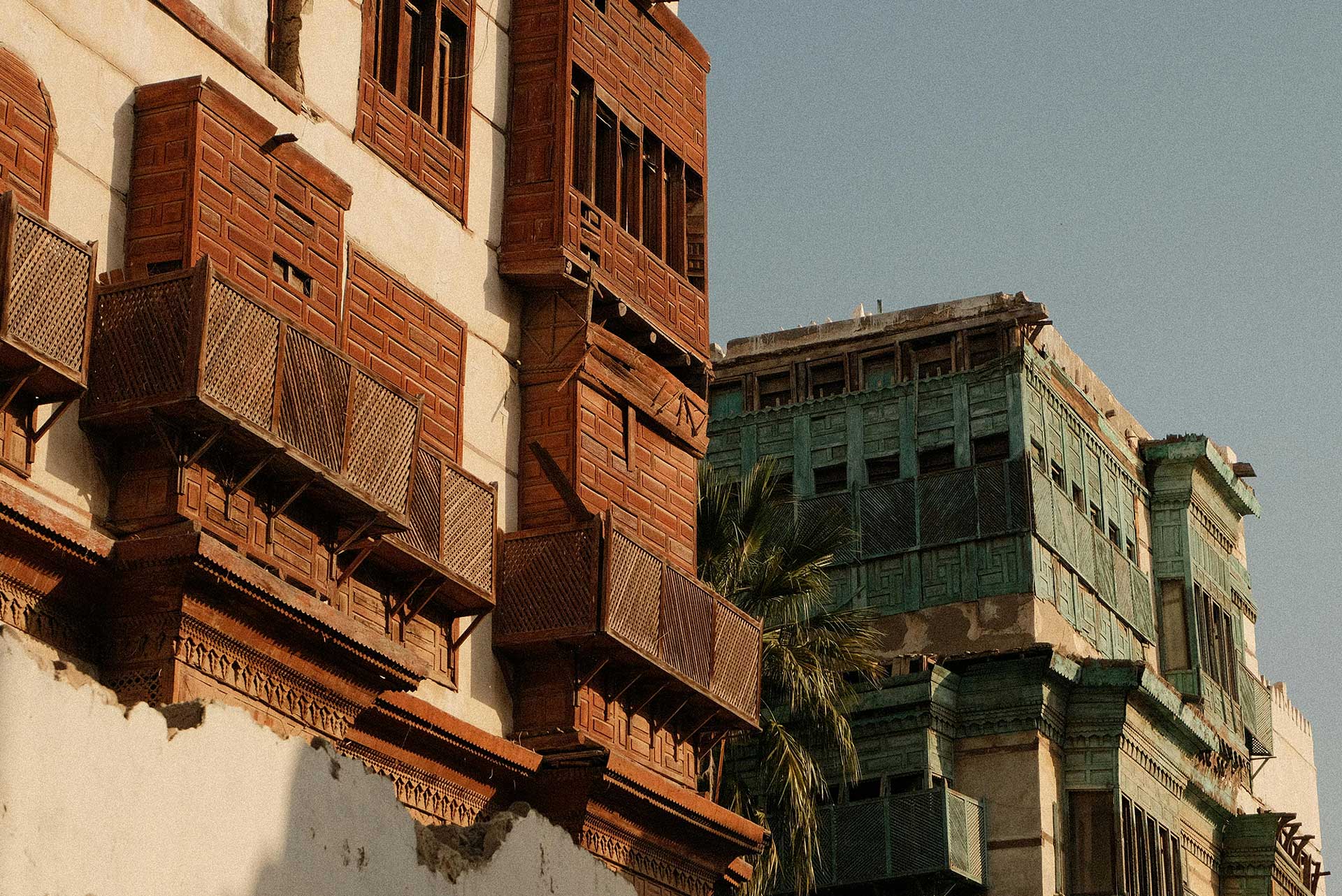
Asia is one of the most diverse hospitality landscapes in the world. Travellers move between cities with very different expectations of comfort, aesthetics, and service culture. For hotels developing new brands or repositioning existing ones, understanding these differences is essential. Each market carries its own rhythm, design heritage, and social behaviour, and these cues directly influence how guests interpret luxury.
Singapore sits at the centre of these regional conversations. Its hotels blend clarity and refinement, drawing inspiration from both East and West. But to understand the wider Asian market, it is useful to look at how surrounding countries approach design and guest experience.
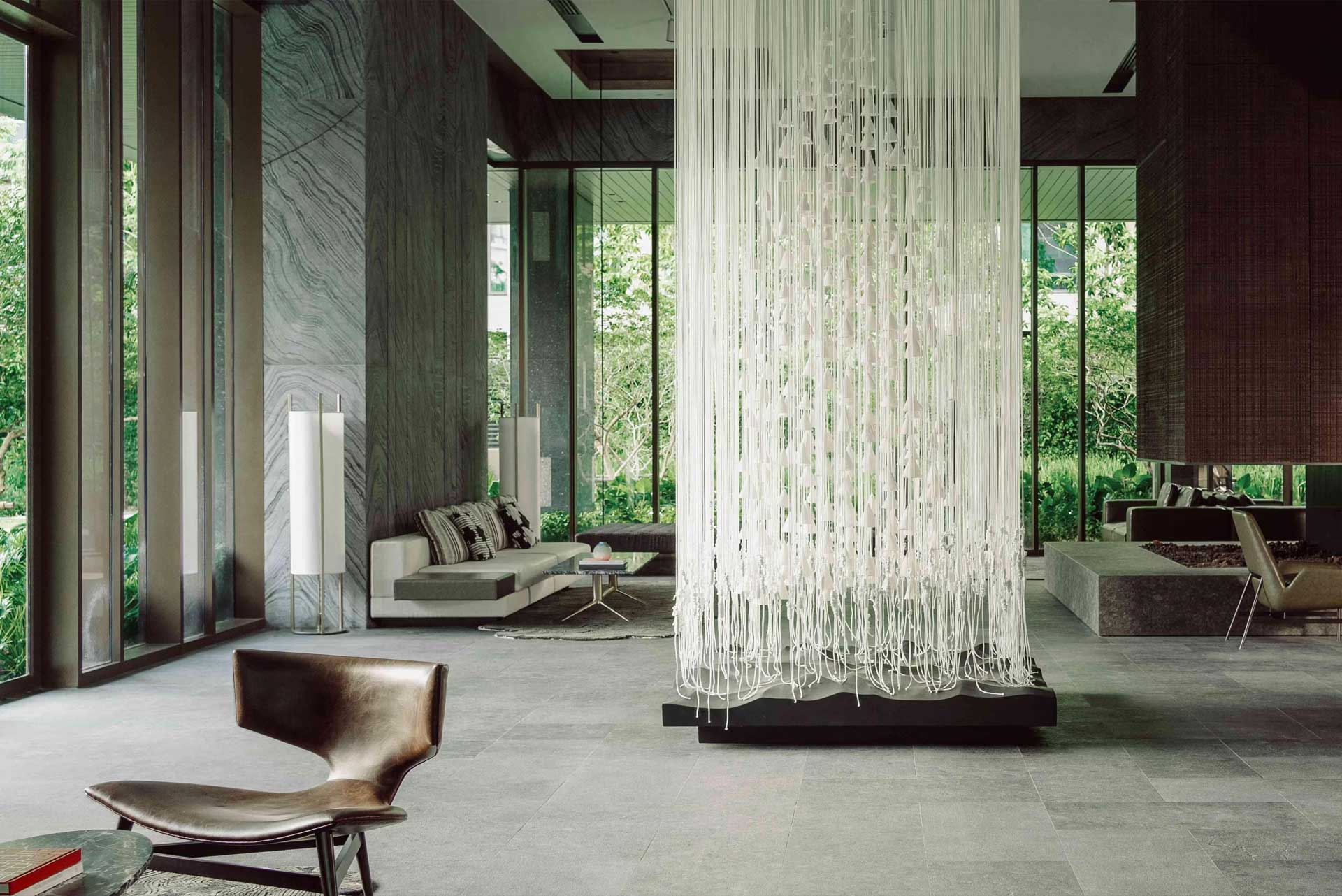
Japan is one of the strongest design influencers in the region. Luxury hotels in Tokyo and Kyoto continue to set benchmarks for restraint and precision. Spaces are shaped by balance, natural texture, and purposeful simplicity. Lighting is soft. Materials are warm. Geometry is carefully controlled. Guests expect interiors that support rest after navigating dense, fast-paced cities. This reliance on gentle transitions and thoughtful craft is something international brands often study when entering Japan.

South Korea presents a contrasting rhythm. Seoul’s luxury scene is defined by confidence, clean lines, and a contemporary urban sensibility. Hotels such as Signiel Seoul use bold vertical architecture and refined monochrome palettes to express modernity. Travellers in Korea respond well to design that feels stylish yet grounded. Brands that enter this market often incorporate sharper visual identity systems and clearer tonal choices to match this preference for polished expression.

Thailand introduces another dimension. Bangkok, in particular, embraces warmth, texture, and layered storytelling. Hotels like Kimpton Maa Lai blend expressive colour with comfort, creating spaces that feel both luxurious and approachable. Thai guests value openness, hospitality, and a sense of atmosphere. The mood is relaxed but not casual. It is crafted comfort, delivered with ease.
Vietnam, Malaysia, and Indonesia bring their own identities into the region, each with cultural references rooted in craft and local materiality. These countries express luxury through a combination of nature, heritage, and contemporary architecture. Properties across Da Nang, Bali, and Kuala Lumpur use these influences to create experiences that feel uniquely local while still resonating with global travellers.
These varied signals shape how hospitality brands should approach identity in Asia. A universal design strategy rarely works across all markets. Typography may need to shift between softer styles and sharper forms. Colour palettes may need to be adapted to reflect cultural expectations. Naming systems may require different tonal qualities to convey familiarity or confidence.
Singapore benefits from this diversity. Its own hospitality identity is shaped by calm, clarity, and modern refinement, but it also borrows subtle cues from its neighbours. This makes it a strategic model for brands entering several Asian markets at once.
For hotel developers and operators, the path forward is clear. Respect the cultural context. Understand the emotional landscape of the guest. Use design to express confidence without noise. The more a brand listens to regional cues, the more naturally it will connect with guests who know their markets better than anyone.
Image Credits: Park Hyatt Kyoto, Aman Tokyo, Kimpton Maa Lai