The New City Luxury Redefining Asia’s Urban Hospitality
How travellers reshape expectations across Asia’s leading capitals
Asia’s urban hospitality scene is entering a new phase. Cities such as Singapore, Tokyo, Seoul, and Bangkok have become global references for hotel design and guest experience, but the definition of luxury within these cities is changing. Travellers are no longer drawn to scale alone. They want clarity, purpose, and environments that support the pace of modern life.
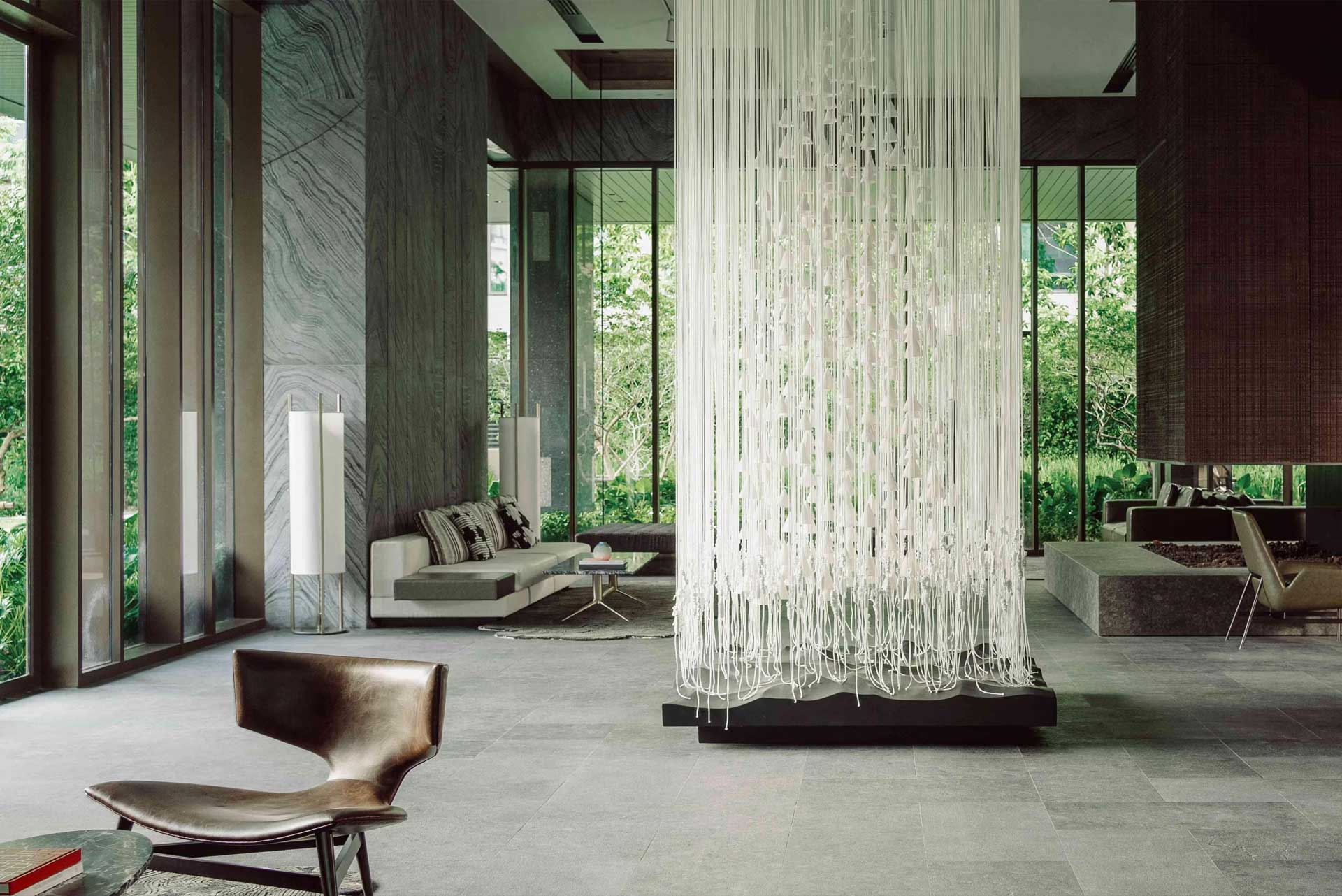
Singapore is a key driver of this shift. The city’s new generation of hotels reflect a more refined understanding of how guests move through urban spaces. Properties are designed around ease. Public areas are arranged logically, transitions are smooth, and communal spaces encourage calm interaction. It is luxury shaped by rhythm, not excess.
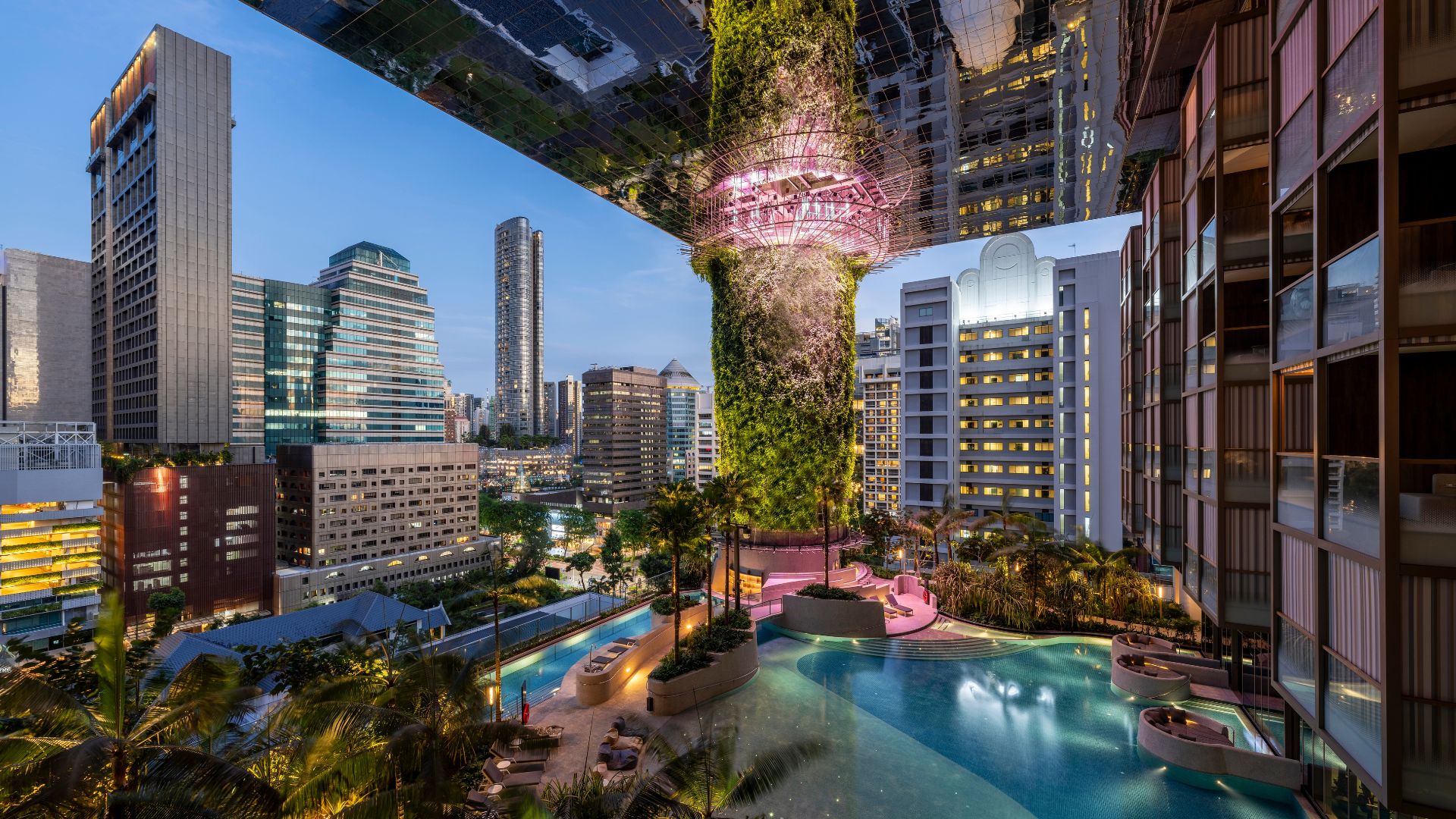
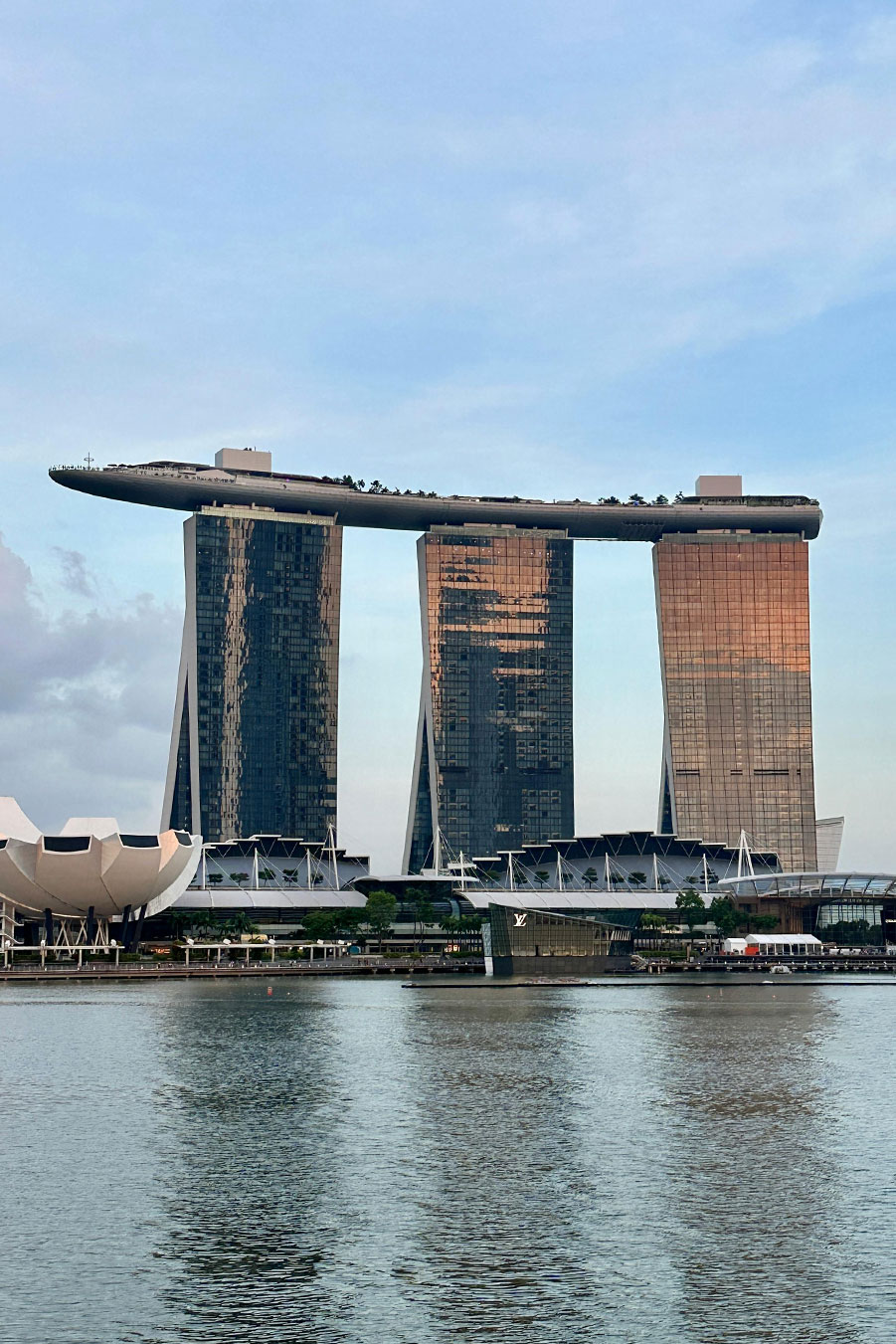
Marina Bay Sands shows how large-scale properties can still deliver clarity. Its circulation patterns are straightforward, and despite its architectural presence, the guest journey feels direct. At the other end of the spectrum, Pan Pacific Orchard introduces a softer expression, using greenery and open terraces to buffer the intensity of city life. Both models appeal to different traveller profiles, yet both share a commitment to reducing friction.
Tokyo approaches luxury with quiet discipline. The city’s most respected hotels use balance, structure, and proportion to create a sense of calm. Travellers stepping into these spaces after navigating crowded neighbourhoods appreciate the shift in pace. The design does not need to shout to be memorable. It supports the guest by offering stillness.
Seoul’s luxury scene adds its own character. Properties such as Signiel Seoul reflect an urban environment built on confidence and identity. Height, skyline views, and clean interior palettes give guests a sense of arrival. Yet even with dramatic architecture, the guest experience is anchored in clarity. Layouts are purposeful and service flows feel natural.
Bangkok brings a more social interpretation. Hotels like The Standard or some of the newer lifestyle properties attract travellers who want energy and openness. Bars, lounges, and shared spaces are designed to feel welcoming without losing sophistication. In these environments, luxury is about comfort and belonging.
Across Asia, a wider trend is emerging. Travellers judge a hotel not by how much it offers but by how well everything works together. A clear layout, intuitive digital touchpoints, strong lighting control, and thoughtful room design can influence guest satisfaction as much as architectural ambition.
For developers and operators entering these markets, the message is consistent. The modern urban traveller wants coherence. They want hotels that support their daily rhythm, help them slow down when needed, and make the city feel more manageable. Luxury, in this context, is about reducing stress and offering confidence through design and service.
The new city luxury is not a style. It is a mindset. Hotels that adopt it will stay relevant as Asia’s major capitals continue to set global standards.